

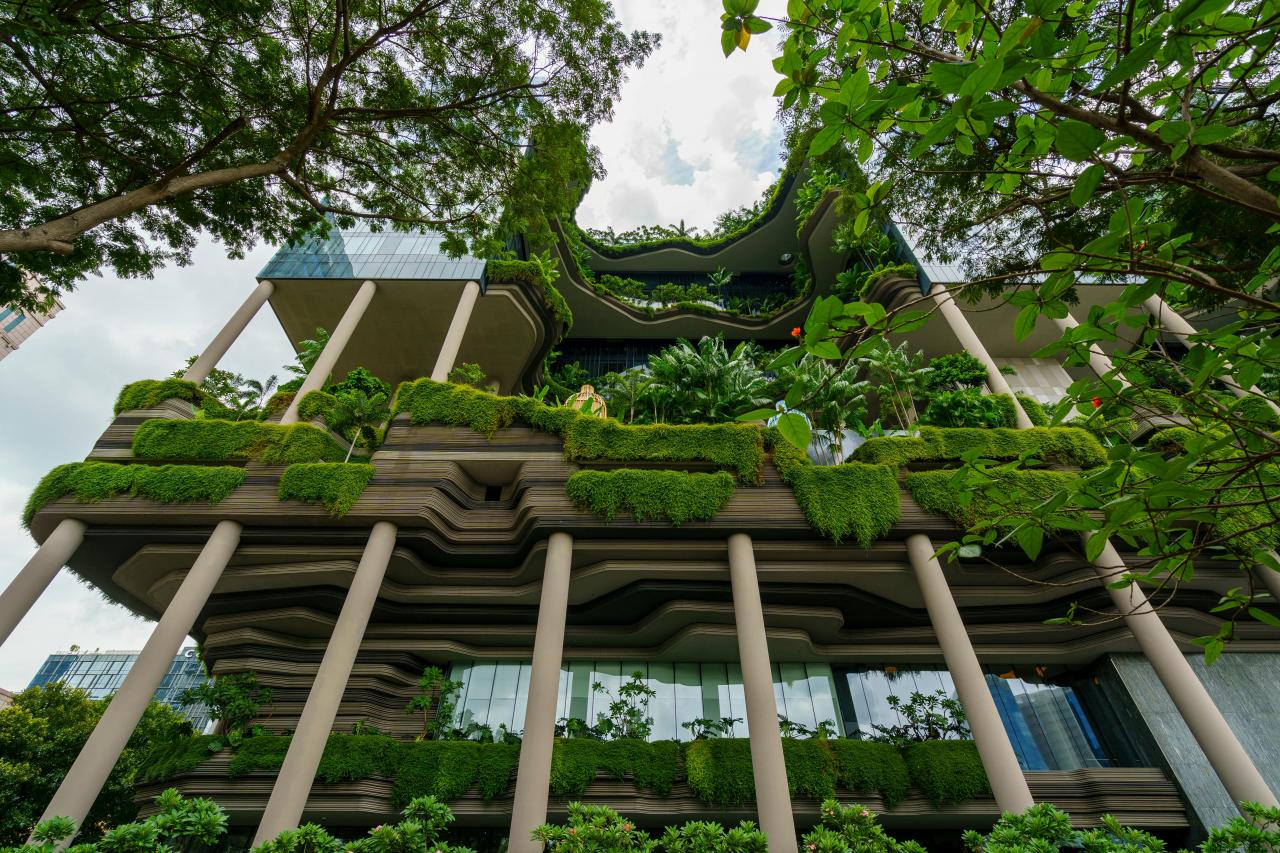
The contemporary architectural landscape is undergoing a profound and necessary metamorphosis, moving away from the stark, sterile minimalism of the industrial era toward a more harmonious and biologically centered philosophy known as biophilic design. This evolution is driven by a sophisticated understanding of evolutionary psychology and environmental science, recognizing that human beings possess an innate, genetically encoded affinity for the natural world—a phenomenon famously termed “biophilia” by Edward O. Wilson.
As global urbanization continues to accelerate, the physical and psychological disconnect between humans and their natural habitats has reached a critical threshold, leading to increased levels of stress, cognitive fatigue, and a decline in overall physiological well-being. Modern biophilic architecture seeks to bridge this gap by weaving complex natural systems, organic geometries, and living ecosystems directly into the structural DNA of our high-performance commercial and residential buildings.
This is not merely a matter of placing potted plants in a lobby; it is a rigorous, multidisciplinary approach that utilizes advanced bio-integrated technologies, restorative spatial patterns, and multi-sensory environmental triggers to create spaces that actively enhance human health and cognitive clarity.
By prioritizing the integration of natural light, thermal airflow, and direct visual connections to biodiversity, architects are now able to engineer environments that lower cortisol levels, boost immune function, and significantly improve productivity for high-output professionals.
Furthermore, the strategic implementation of biophilic principles acts as a primary differentiator in the luxury real estate market, as institutional investors and discerning homeowners increasingly value “wellness-certified” assets that offer a sanctuary from the digital noise of the modern world. We are witnessing the birth of a new standard in high-end development where the “biological intelligence” of a structure—its ability to mimic the restorative qualities of a forest or a glade—is considered just as vital as its structural integrity or technological infrastructure.
This transition requires a deep mastery of ecological design, material science, and atmospheric orchestration to ensure that the relationship between the built environment and the biosphere is one of mutualism rather than extraction. Ultimately, the goal of biophilic architecture is to foster a state of total environmental resonance, transforming our cities into vibrant, living networks that support the highest potential of the human spirit while restoring the ecological balance of the planet.
The Foundational Principles of Organic Structure
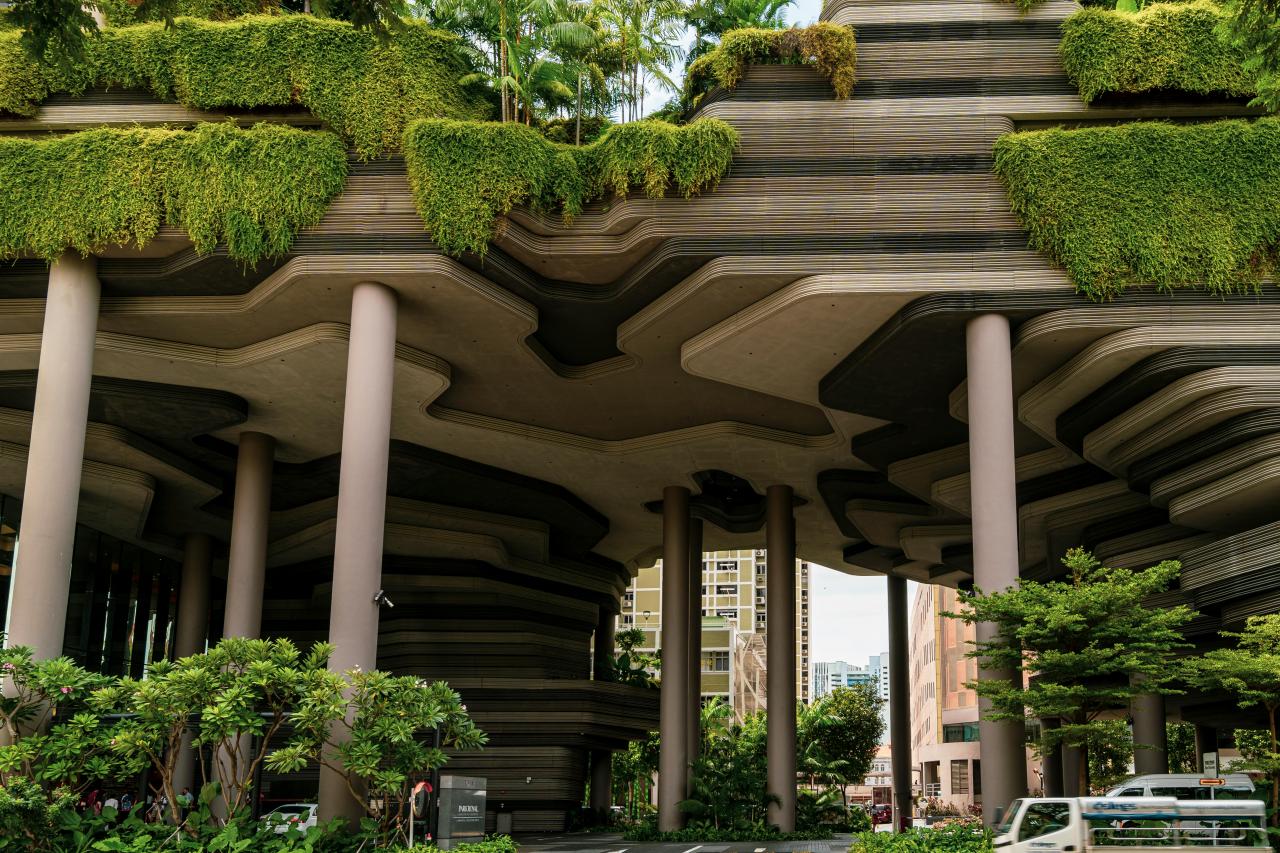
The transition toward a biophilic habitat requires a structural commitment to the patterns and processes found in the natural world. Modern biophilic design is built upon a framework that prioritizes direct and indirect experiences of nature within the built environment.
A. Direct Visual Connections to Living Ecosystems
B. Non-Rhythmic Sensory Stimuli and Airflow
C. Dynamic and Diffuse Light Distribution Rails
D. Presence of Water and Acoustic Resonance
E. Thermal and Airflow Variability Protocols
By utilizing these foundational principles, developers can ensure that a building functions as a restorative asset. This infrastructure provides the necessary sensory complexity to keep the human brain engaged and relaxed simultaneously.
Implementing Living Walls and Vertical Forests
Integrating large-scale vegetation directly into the building envelope is one of the most effective ways to purify the air and provide a visual connection to nature. Vertical forests and internal living walls act as active biological filters that regulate humidity and reduce the urban heat island effect.
A. Automated Hydroponic Nutrient Delivery Systems
B. Species Diversity for Local Ecological Support
C. Integrated Bio-Filtration and Air Scrubbing
D. Structural Support for Mature Canopy Growth
E. Seasonal Maintenance and Pruning Workflows
These living systems do more than just look beautiful; they function as the lungs of the building. By capturing particulate matter and producing oxygen, they create a high-performance atmosphere that supports long-term health.
The Role of Natural Light and Circadian Optimization
Natural light is a fundamental requirement for human health, influencing everything from sleep cycles to mood and cognitive performance. Biophilic architecture uses advanced glazing and light-well technologies to ensure that every occupant has access to high-quality daylight.
A. High-Transmittance Smart Glass Envelopes
B. Automated Sun-Tracking Mirror and Heliodon Rails
C. Internal Light-Well and Atrium Architectures
D. Dynamic Shading and Leaf-Pattern Shadow Play
E. Circadian Lighting Systems for Nighttime Balance
By mimicking the natural progression of the sun, these systems help maintain the body’s internal clock. This is particularly important for professionals working in high-stress environments where mental clarity is a non-negotiable asset.
Material Science and the Use of Natural Analogues
When direct nature is not possible, architects use natural analogues—materials and patterns that mimic the textures and geometries found in the wild. This includes the use of wood, stone, and fractals that provide a sense of warmth and complexity.
A. Sustainably Sourced Mass Timber and Stone
B. Fractal Geometry in Facades and Flooring
C. Biomorphic Shapes and Fluid Structural Curves
D. Tactile Complexity and Organic Material Patina
E. Natural Color Palettes and Earth-Tone Shaders
These materials provide a tactile and visual connection to the earth. They create an environment that feels familiar and safe, reducing the “environmental stress” associated with artificial and synthetic materials.
Acoustic Ecology and Soundscape Design
The sound of a space is just as important as its visual appearance. Biophilic design utilizes water features and acoustic dampening materials to create a “soundscape” that mimics the soothing frequencies of the natural world.
A. Integrated Indoor Waterfall and Stream Systems
B. Acoustic Panels Made from Bio-Based Fibers
C. Natural Sound Masking and White Noise Logic
D. Resonance Optimization for Human Conversation
E. Mitigation of Harsh Mechanical and Urban Noise
A well-designed soundscape can significantly lower distraction levels in a busy office or a high-density residence. It allows for deeper focus and a more profound sense of privacy and tranquility.
Thermal Comfort and Natural Ventilation Workflows
Instead of relying solely on mechanical HVAC systems, biophilic buildings use natural ventilation and thermal mass to maintain comfort. This creates a more dynamic environment where residents can feel the subtle changes in the breeze and temperature.
A. Cross-Ventilation and Thermal Chimney Rails
B. Phase-Change Materials for Heat Storage
C. Operable Smart Windows and Breathable Skins
D. Evaporative Cooling through Water Features
E. Geothermal Ground-Coupled Air Intakes
This approach reduces energy consumption while improving the “sensory quality” of the air. Moving air feels more natural and refreshing than the static, recycled air found in traditional buildings.
Water Sovereignty and Restorative Hydrology
Water is a powerful biophilic element that provides both visual beauty and a sense of calm. Modern designs integrate circular water systems that harvest rain and recycle graywater to support internal gardens and fountains.
A. Atmospheric Water Generation and Harvesting
B. Multi-Stage Biological Water Purification
C. Visible Rainwater Management and Runoff
D. Interactive Water Features and Reflection Pools
E. Nutrient Recovery for Vertical Farming Loops
Managing water as a visible and functional resource reconnects the resident with the hydrological cycle. It emphasizes the home’s role as a self-sustaining ecosystem that respects the planet’s most precious resource.
The Economic Logic of Biophilic Real Estate
While the initial investment in biophilic features can be higher, the long-term economic benefits are well-documented. These buildings command higher rents, have lower turnover rates, and significantly reduce the “sick building syndrome” costs for employers.
A. Premium Valuation for Wellness-Certified Assets
B. Increased Employee Retention and Productivity
C. Reduction in Healthcare and Absenteeism Costs
D. Enhanced Market Differentiation and Brand Value
E. Long-Term Asset Resilience and ESG Compliance
For institutional investors, biophilic architecture represents a “future-proof” asset class. It aligns with the growing global focus on environmental, social, and governance standards, ensuring long-term profitability.
Psychological Restoration and Stress Mitigation
The most profound impact of biophilic design is its ability to reduce stress and promote mental health. Spaces that incorporate nature have been shown to lower heart rates and improve recovery times from cognitive tasks.
A. Restorative “Prospect and Refuge” Spatial Logic
B. Fractal Complexity for Visual Brain Engagement
C. Reduction in Sympathetic Nervous System Arousal
D. Enhanced Creativity and Problem-Solving Capacity
E. Support for Emotional Regulation and Peace
By creating environments that support our biological needs, we can thrive in even the most competitive urban settings. Biophilic design is the ultimate tool for maintaining mental health in the 21st century.
Biophilic Design for High-Density Urban Hubs
As our cities become more crowded, finding ways to integrate nature into small footprints is essential. Pocket parks, rooftop gardens, and biophilic balconies are turning concrete jungles into lush, livable habitats.
A. Rooftop Biodiversity and Pollinator Habitats
B. Vertical Green Ribbon Connectivity Rails
C. Pocket Park Integration in Commercial Zones
D. Community Garden and Urban Farming Nodes
E. Biophilic Infrastructure for Public Transit
These interventions create a “green network” across the city, supporting local wildlife and improving the quality of life for all residents. It is a vital step toward creating resilient and sustainable urban ecosystems.
The Future of Bio-Integrated Architecture
We are moving toward a future where our buildings will not just mimic nature but will be made of living, biological materials. Imagine a home that grows its own structure and repairs itself using synthetic biology.
A. Living Root and Fungal Mycelium Structures
B. Bioluminescent Lighting via Synthetic Algae
C. Self-Healing Bio-Concrete and Masonry
D. Carbon-Sequestering Photosynthetic Facades
E. Genomic Customization of Domestic Flora
Staying at the cutting edge of these technologies is essential for any professional architect or developer. The next industrial revolution will be a biological one, and our buildings will be at the center of it.
Conclusion
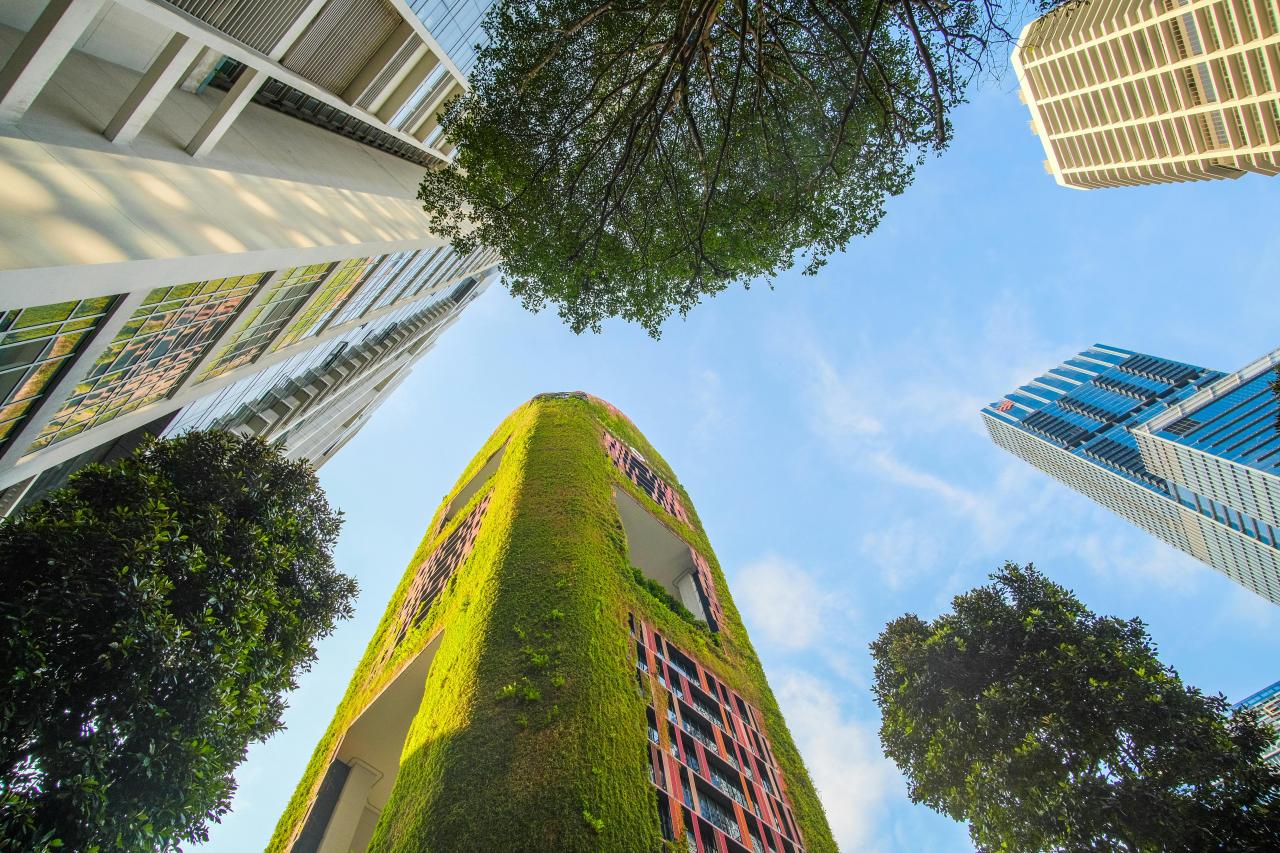
The integration of nature into the built environment is the definitive goal of modern architecture. Legacy building models are no longer sufficient to support the complexities of human health.
Investing in biophilic infrastructure is a strategic move for long-term asset appreciation. Living walls and vertical forests provide essential biological services for urban residents. Circadian lighting and natural airflow are fundamental requirements for cognitive performance. Natural materials and analogues provide the tactile complexity that the human brain craves.
Acoustic ecology ensures that our spaces remain sanctuaries of focus and tranquility. Thermal and water sovereignty are achieved through the intelligent application of natural logic. The economic returns on biophilic design are driven by higher productivity and wellness.
Psychological restoration is the primary benefit of a biologically centered habitat. High-density urban areas must prioritize green connectivity to remain livable and resilient. The future of architecture lies in the fusion of structural engineering and synthetic biology.
Designing with nature is not a luxury but a fundamental necessity for our survival. Those who master biophilic principles will define the premium real estate market of the future. Ultimately, our buildings should be as alive and restorative as the natural world itself.