

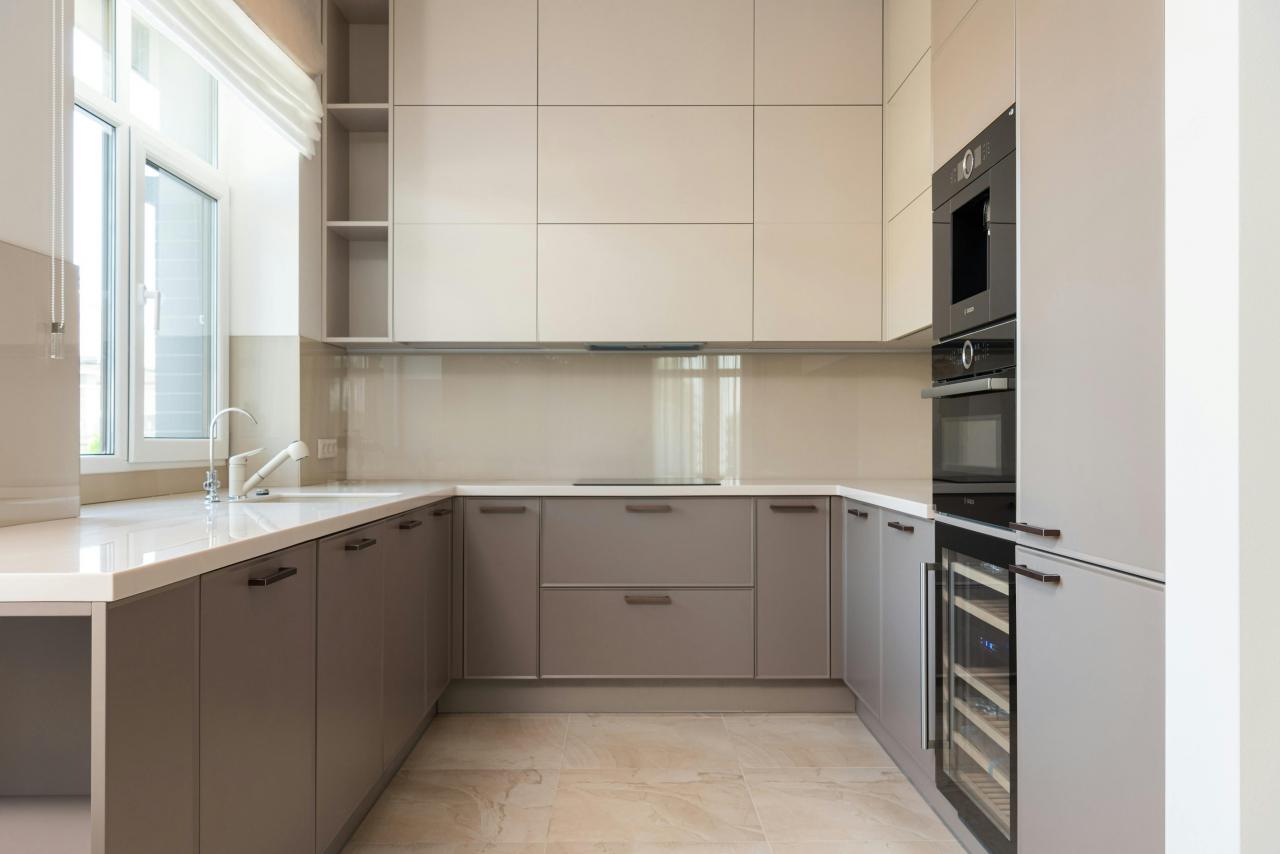
The architectural evolution of the modern high-end residence has reached a sophisticated milestone where the traditional kitchen has been decisively bifurcated into a dual-system layout, a strategic design maneuver that distinguishes the world’s most exclusive estates and provides the ultimate infrastructure for professional-grade entertaining and seamless domestic management. This transformation is driven by a profound shift in the lifestyle requirements of high-net-worth individuals and global institutional developers who recognize that the kitchen is no longer a singular functional room, but a complex multi-nodal ecosystem that must balance the conflicting demands of high-visibility social interaction and intense, behind-the-scenes culinary production.
In the contemporary luxury real estate market, the emergence of the “Show Kitchen” and the “Prep Kitchen” (often referred to as a Mess Kitchen or Scullery) represents a critical investment in asset valuation, as properties featuring these dual-core layouts command significantly higher premiums due to their ability to facilitate large-scale hospitality without compromising the aesthetic tranquility of the primary living sanctuary. By separating the theatrical elements of cooking—such as finishing a gourmet meal or pouring vintage wines—from the kinetic friction of heavy preparation, dishwashing, and appliance noise, architects are able to maintain a state of total environmental resonance and visual silence in the “front of house” zones.
This design philosophy utilizes advanced spatial zoning, high-capacity ventilation rails, and professional-grade industrial appliances to ensure that every social engagement is fluid and effortless, reflecting the resident’s mastery over their domestic environment and their commitment to an elite standard of living. As the global professional elite increasingly prioritize private home sanctuaries that can function as high-performance event spaces, the mastery of dual-kitchen orchestration has become a primary indicator of a property’s long-term desirability and functional intelligence.
This transition requires a profound understanding of industrial workflow logic, acoustic isolation, and the implementation of forward-compatible culinary hardware that can evolve alongside the rapid pace of gastronomic innovation and global technology. Ultimately, the goal of a dual-kitchen layout is to foster a state of frictionless domesticity, providing a sanctuary that is as operationally robust as it is aesthetically sublime, ensuring that the art of entertaining remains a source of prestige and restorative pleasure.
The Foundational Pillars of Dual Culinary Infrastructure
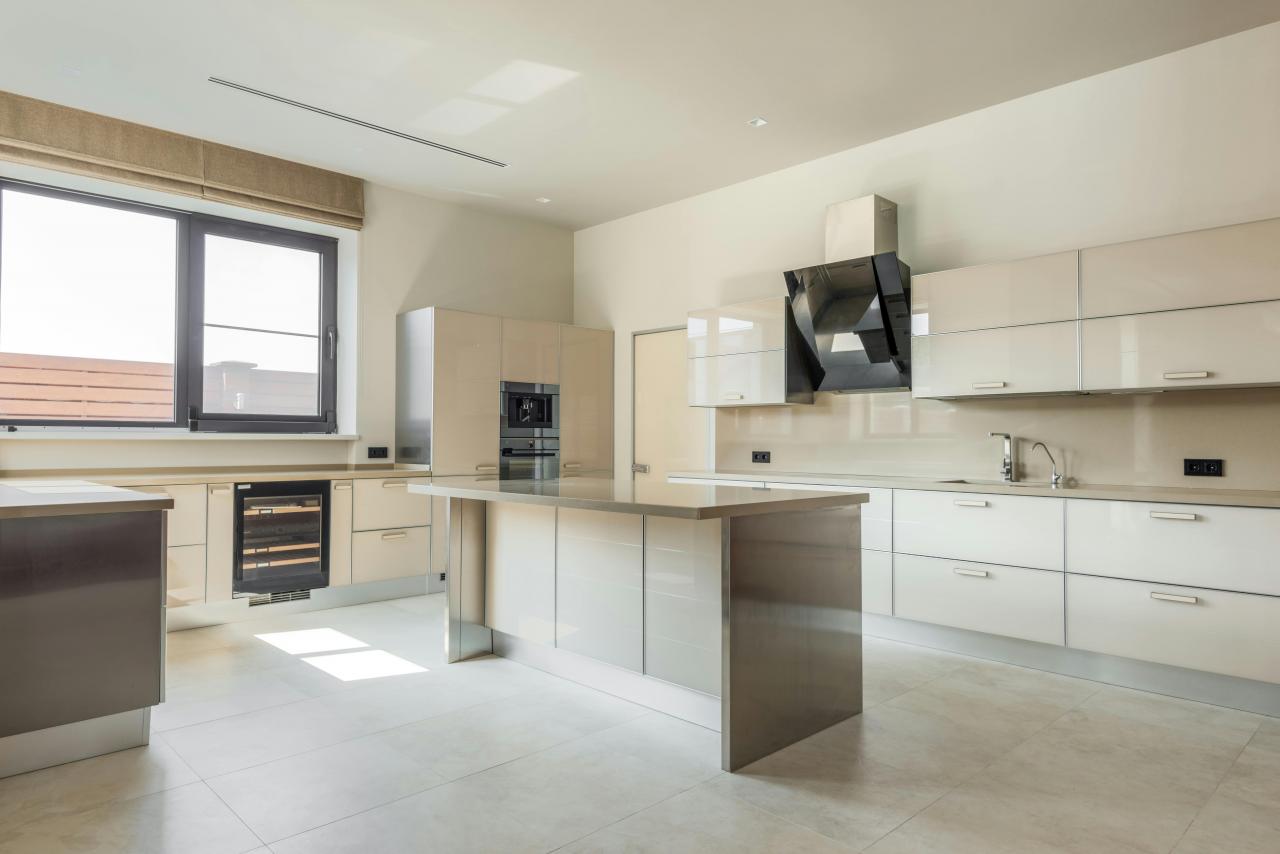
Establishing a world-class dual-kitchen system requires a structural commitment to the separation of aesthetic form and industrial function. This involves a multi-layered architectural strategy that prioritizes the flow of guests in the primary zone while optimizing the productivity of staff or hosts in the secondary zone.
A. Primary Show Kitchen for Social Engagement and Display
B. Secondary Prep Kitchen for High-Volume Production
C. Integrated Walk-In Cold Storage and Dry Pantry Vaults
D. High-Performance Industrial Ventilation and Extraction Rails
E. Professional-Grade Culinary Hardware and Appliance Nodes
By utilizing these foundational pillars, developers can ensure that a residence functions as a high-performance hospitality asset. This infrastructure provides the necessary physical complexity to host elite gatherings while maintaining a serene and clutter-free aesthetic.
Show Kitchen Aesthetics and Social Fluidity Logic
The show kitchen acts as the visual centerpiece of the home, designed with monolithic stone surfaces and bespoke cabinetry that hide the functional complexity of the room. It is a space designed for finishing touches, social interaction, and the presentation of high-end culinary artistry.
A. Monolithic Stone Island Assemblies and Waterfall Edges
B. Integrated Hidden Induction and Under-Counter Cooling
C. Bespoke Joinery and Minimalist Cabinetry Hardware Rails
D. Strategic Lighting for Atmospheric Social Resonance
E. Sculptural Focal Points including Designer Range Hoods
This zone is optimized for the presence of guests, ensuring that the host can engage with friends while preparing light refreshments. It removes the visual noise of dirty dishes and heavy prep work from the social experience.
Prep Kitchen Industrial Workflow and Functional Depth
Behind the scenes, the prep kitchen functions as the engine of the home, equipped with the high-capacity tools necessary for heavy cooking, bulk cleaning, and event staging. It is a space where efficiency and durability are the primary priorities, allowing for the preparation of complex menus without disrupting the main house.
A. High-Capacity Commercial Grade Ranges and Ovens
B. Industrial Scale Triple-Sink Stations and Dishwashing Logic
C. Oversized Prep Surfaces in Durable Stainless Steel or Quartz
D. Dedicated Waste Management and Nutrient Recovery Rails
E. High-Volume Specialized Storage for Catering Equipment
This industrial node ensures that the home can handle professional catering teams for large events. It protects the primary living areas from the smells, heat, and noise associated with high-output cooking.
Integrated Cold Chain and Inventory Management Vaults
A high-performance entertaining space requires a sophisticated approach to food preservation and inventory management. Dual-kitchen layouts often include walk-in refrigeration units and specialized climate-controlled pantries to ensure that ingredients remain at peak quality.
A. Professional Walk-In Refrigeration and Freezer Vaults
B. Precision Climate-Controlled Wine and Spirits Cellars
C. RFID-Based Automated Inventory and Procurement Rails
D. Specialized Humidity Zones for Fresh Produce Longevity
E. Dedicated Dry Storage for Bulk Entertaining Supplies
Managing the culinary supply chain within the home ensures that the resident is always prepared for spontaneous or planned gatherings. It provides a level of resource sovereignty that is highly valued in the luxury real estate sector.
Acoustic Isolation and Olfactory Management Rails
The success of a dual-kitchen layout depends on the ability to isolate the smells and sounds of the prep kitchen from the rest of the residence. This requires a structural commitment to high-performance insulation and advanced extraction systems.
A. High-STC Rated Acoustic Barriers and Pocket Door Nets
B. Dedicated External Exhaust and Air Purification Rails
C. Silent Mechanical Dampers and Low-Velocity Airflows
D. Vibration-Dampening Mounts for Heavy Culinary Hardware
E. Multi-Zone Olfactory Control and Fragrance Diffusion Logic
Ensuring that the scent of cooking does not permeate the living sanctuary is a non-negotiable standard for elite properties. This level of environmental control maintains the psychological comfort and prestige of the home.
The Economic Impact of Professional Entertaining Infrastructure
Institutional real estate assets featuring dual-kitchen layouts command a significant premium due to their superior hospitality capabilities. These homes are viewed as “lower-risk” investments because they cater to the specific lifestyle demands of the global professional and social elite.
A. Significant Increase in Asset Resale and Rental Equity
B. Reduction in Event Operational Expenditure via In-House Prep
C. Strategic Positioning for Institutional Luxury Portfolios
D. Enhanced Marketability to High-Profile International Talent
E. Long-Term Resilience against Changing Social and Dining Trends
For developers, the “hospitality premium” is a measurable reality in the global market. Investing in dual-kitchen systems is the definitive choice for future-proofing a luxury property portfolio.
Data Sovereignty and the Invisible Smart Culinary Hub
In an era of hyper-connectivity, the technology within the kitchen must be powerful yet completely invisible, managed through secure local hubs. Prep and show kitchens utilize smart appliances that communicate with each other to optimize energy usage and inventory levels.
A. Localized Secure Edge Computing for Culinary Automation
B. Hardware-Level Privacy and Air-Gapped Security Rails
C. Integrated Haptic and Voice Control for Professional Tools
D. Automated Resource Monitoring and Energy Yield Metrics
E. Verified Third-Party Cybersecurity and Integrity Audits
Maintaining data sovereignty ensures that the “digital house” remains private and secure for its owners. It provides the resident with total confidence that their lifestyle patterns and preferences remain confidential.
Wellness and Nutritional Performance Orchestration
Dual-kitchen layouts are increasingly being used to support the physical health and longevity of the residents. By providing a dedicated space for precision nutrition and meal prep, the home becomes a proactive partner in the inhabitant’s performance.
A. Integrated Precision Induction and Steam Cooking Rails
B. Automated Nutritional Tracking and Caloric Intake Logic
C. Medical-Grade Water Filtration and Mineralization Hubs
D. Specialized Storage for Supplements and Bio-Hacking Tools
E. Circadian-Aligned Lighting for Culinary Precision and Mood
Prioritizing wellness is a primary driver of modern residential demand. A home that supports your body’s needs through advanced culinary infrastructure is a home that fosters long-term prosperity.
Scaling Culinary Excellence for Multi-Unit Developments
For developers of luxury townhomes and condominiums, the dual-kitchen concept can be scaled to provide a competitive edge. Even in smaller footprints, the separation of “light” and “heavy” zones is a highly desirable feature that improves the quality of urban living.
A. Modular Compact Prep Kitchen and Pantry Solutions
B. High-Efficiency Space Planning for Dual-Zonal Utility
C. Standardized Planning Guidelines for Autonomous Unit Logic
D. Integration of Shared Professional Catering Facilities
E. Promotion of Private Dining and Social Hospitality Culture
Scaling these systems effectively requires a deep integration of culinary consultants during the design phase. It results in a development that is far superior to traditional luxury residential offerings.
Future Trends in Robotic Culinary Assistance
We are moving toward a future where the prep kitchen will be managed by autonomous robotic systems. These robots will handle repetitive tasks like chopping, cleaning, and inventory management, allowing the host to focus entirely on their guests.
A. Robotic Preparation and Autonomous Fabrication Rails
B. AI-Driven Menu Planning and Ingredient Matching Logic
C. Predictive Maintenance for Large-Scale Culinary Assets
D. Self-Cleaning Surfaces and Automated Sanitization Hubs
E. Emerging 3D-Printed Food and Custom Texture Fabrication
Staying ahead of these technological trends is essential for any professional urban developer. The kitchen of tomorrow will be built with a level of precision and automation that is currently transformative.
Strategic Capital Allocation for Culinary Infrastructure
When building or buying a home with dual-kitchen capabilities, it is vital to view the investment through the lens of long-term asset performance. The “hospitality premium” is a strategic investment that pays for itself through efficiency, safety, and tenant retention.
A. Lifecycle Cost Analysis of Professional Culinary Materials
B. Hedging Against Future Resource and Energy Spikes
C. Strategic Use of Craftsmanship and Local Engineering
D. Positioning Assets for the Global Professional Elite
E. Long-Term Reduction in Maintenance and Renovation Needs
High-performance architecture is the only way to truly future-proof a global real estate portfolio. It is the definitive choice for those who understand that the greatest luxury is a home that supports the highest human potential.
Social and Cultural Impact of Dual-Kitchen Design
Beyond the physical benefits, dual-kitchen layouts change the way we interact with our homes and our guests. They encourage a culture of hospitality and social connection that is essential for human wellness and communal growth.
A. Support for Local Gastronomic and Craftsmanship Cultures
B. Creation of New Employment in the Private Service Sector
C. Transformation of the Home into a Vibrant Social Hub
D. Educational Initiatives for Future Culinary and Tech Skills
E. Preservation of Domestic Traditions through Modern Tools
A home that is built for entertaining is a home that is built for connection. Dual-kitchen design provides the tools to respect our culinary heritage while building a high-performance future.
Conclusion
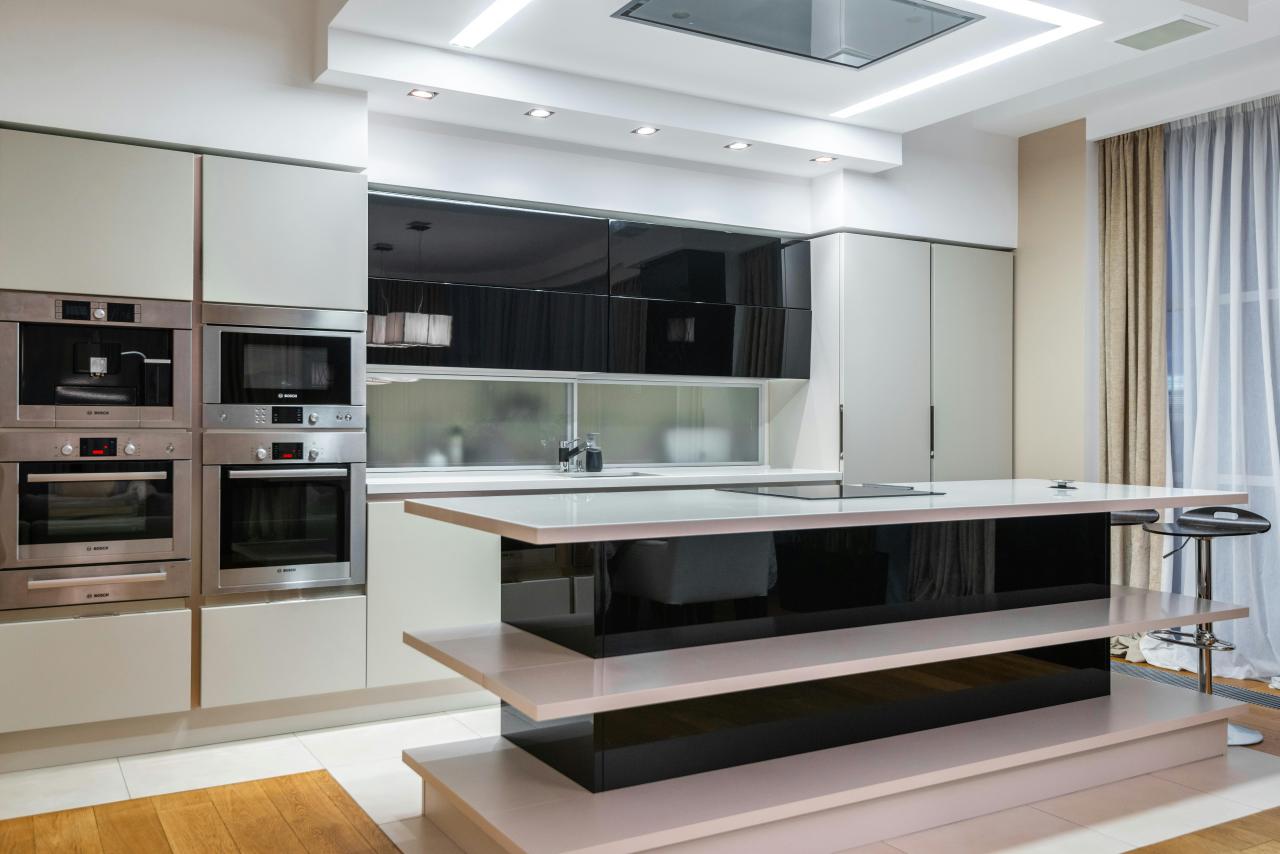
The evolution toward dual-kitchen layouts represents the peak of modern residential hospitality. Single-kitchen models are no longer sufficient to meet the complex social needs of elite residents. Strategic infrastructure investment is the primary foundation for long-term asset resilience and value. The separation of show and prep zones ensures a state of total aesthetic and social fluidity. Industrial-grade ventilation and acoustic damping protect the sanctuary of the living environment. Cold chain and inventory vaults turn the home into a self-sustaining node for resource sovereignty.
Data sovereignty and edge computing are the pillars upon which digital trust and privacy are built. The economic returns on dual-kitchen assets are driven by superior efficiency and massive market demand. Wellness and nutritional orchestration turn the culinary space into a partner in human longevity. Scaling these systems for multi-unit developments ensures a high-quality lifestyle for a wider market. Robotic assistance and AI fabrication will define the speed and precision of future kitchen growth.
Strategic capital allocation in culinary infrastructure is a masterclass in global risk mitigation and yield. Technology and craftsmanship are the dual engines of modern residential innovation and excellence. Designing with foresight is the only way to build for a lifetime of effortless entertaining and comfort. Ultimately, dual-kitchen orchestration fosters a state of total environmental and social resonance. The home of the future is an invisible masterpiece of industrial efficiency and social elegance.