

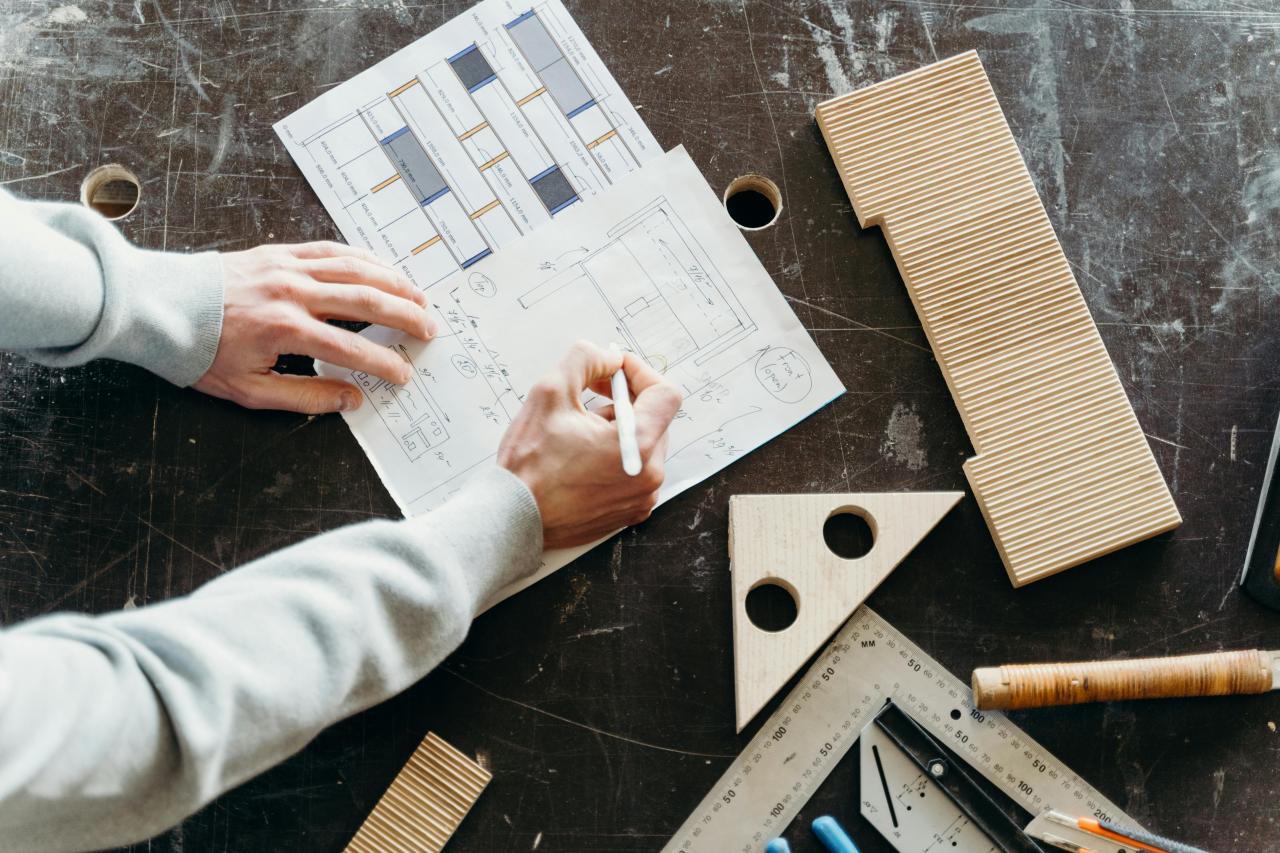
The structural evolution of the global luxury residential sector has reached a definitive tipping point where the implementation of bespoke millwork has transitioned from a decorative elective to a primary institutional standard for high-value asset appreciation and architectural integrity. This profound shift is driven by the discerning requirements of high-net-worth individuals, sovereign wealth funds, and elite property developers who recognize that standardized, mass-produced interior elements no longer suffice in a marketplace that demands total spatial personalization and material permanence.
Bespoke millwork, in its most sophisticated form, represents the seamless integration of master craftsmanship with advanced computational design, allowing for the creation of monolithic joinery systems that function as the very skeleton of the interior environment rather than mere superficial additions. For the strategic capital allocator and the luxury homeowner, investing in custom cabinetry, integrated shelving, and hidden architectural portals is a critical maneuver in risk mitigation, as properties featuring high-level artisanal woodwork command significantly higher market valuations and exhibit superior resilience against economic volatility.
This design methodology relies on the concept of “functional art,” where every centimeter of a residence is utilized through precision engineering to provide invisible storage, acoustic dampening, and biological warmth that synthetic materials simply cannot replicate. By utilizing rare, sustainably sourced timber species—such as figured eucalyptus, fumed oak, and reclaimed Burmese teak—designers are now able to engineer internal sanctuaries that offer a sense of ancestral grounding combined with the sharp, clean lines of modern minimalism.
This transition requires a profound mastery of moisture equilibrium, grain orchestration, and the deployment of concealed high-capacity hardware to ensure that the relationship between the inhabitant and the built environment is one of total fluidity and sensory delight. As the global professional elite increasingly prioritize wellness-certified environments and “quiet luxury” aesthetics, the mastery of bespoke millwork orchestration has become a primary indicator of a property’s long-term desirability and functional intelligence.
This architectural movement recognizes that the built environment acts as a proactive partner in human recovery and cognitive focus, where the tactile quality of a hand-finished wood surface can measurably lower stress levels and enhance the overall quality of domestic life. Ultimately, the successful execution of high-end custom joinery promises a future where our living spaces are no longer just shelters, but vibrant, tailored ecosystems that support the highest potential of the human spirit while establishing a durable legacy of aesthetic excellence and structural value.
The Structural Blueprint for Custom Joinery Excellence

Establishing a high-performance architectural environment requires a total commitment to the integration of physical volumes and digital precision. Modern millwork is built upon a framework that prioritizes the seamless flow of energy and human movement within a highly organized urban fabric.
A. Integrated Spatial Volumetric and Precision Laser Scanning
B. Monolithic Wood Veneer and Solid Timber Logic
C. Hidden Hardware and Soft-Close Kinetic Rails
D. Seamless Wall-to-Ceiling Joinery and Material Flows
E. High-Performance Moisture Stabilization and Curing Protocols
By establishing these core pillars, developers ensure that the interior environment feels like a cohesive extension of the architectural shell. This infrastructure provides the necessary baseline for total biological alignment and long-term aesthetic resilience in premium real estate markets.
Grain Orchestration and Artisanal Material Selection
The primary objective of custom wood integration is to provide a sense of warmth and permanence that replaces the need for excessive ornamentation. Designers utilize “grain mapping” to ensure that the natural patterns of the timber flow continuously across large surfaces, creating a visual rhythm that is both calming and sophisticated.
A. Strategic Selection of Rare and Figurative Wood Species
B. Book-Matched and Slip-Matched Veneer Consistency Rails
C. Hand-Scraped and Wire-Brushed Surface Texture Logic
D. Natural Low-VOC Oil and Wax Finish Standards
E. Sustainable Timber Sourcing and Ethical Chain of Custody
This focus on materiality ensures that the home feels substantial and authentic rather than fragile or artificial. High-tactility surfaces invite touch and create a sense of craftsmanship that defines the absolute peak of bespoke luxury living.
Precision Engineering for Invisible Functionality
In high-end millwork, the most impressive features are often the ones that are completely hidden from the naked eye. Advanced engineering allows for the creation of “secret” rooms, integrated media centers, and motorized cabinetry that remains flush with the architectural surface until needed.
A. Integrated Capacitive Touch and Haptic Control Interfaces
B. Motorized Pop-Up and Drop-Down Appliance Lift Rails
C. Hidden Pocket-Door Systems with Magnetic Closing Logic
D. Seamless Floor-to-Ceiling Vertical Storage Integration
E. Concealed Lighting Rails and Indirect Glow Channels
Removing visual clutter through invisible functionality allows the mind to rest and focus on the primary social or professional task at hand. The home functions as a self-optimizing organism that adapts to the specific needs of the inhabitant without disrupting the aesthetic calm.
Acoustic Ecology and the Sound of Solid Timber
A high-performance interior must sound as good as it looks, and bespoke millwork is one of the most effective tools for managing domestic soundscapes. Custom-slatted wood panels and micro-perforated veneers are used to absorb harsh echoes and provide a warm, library-like atmosphere in social zones.
A. High-Density Acoustic Batting behind Slat-Wood Rails
B. Geometric Diffusion Surfaces for Sound Wave Mitigation
C. Strategic Use of Soft Timber to Lower Noise Floor Metrics
D. Vibration-Dampening Joinery and Soft-Close Hardware Logic
E. Resonance-Balanced Social Zones and Reading Sanctuaries
Optimizing the home for acoustic peace is a proven driver of psychological comfort and resident wellness. It ensures that the sanctuary of the residence remains undisturbed by the vibrations and noise of the surrounding metropolitan environment.
Thermal Mass and Bio-Adaptive Climate Control
While often overlooked, thick timber millwork acts as a natural insulator and thermal battery that helps maintain a stable internal temperature. High-quality wood joinery reduces the reliance on mechanical heating and cooling, significantly lowering the total cost of ownership over the asset’s lifecycle.
A. Passive Thermal Insulation via High-Density Wood Masses
B. Humidity-Regulating Cellular Structures and Natural Fibers
C. Strategic Placement of Joinery for Airflow Management Rails
D. Integration of Low-Energy Radiant Cooling behind Panels
E. Seasonally Adaptive Wood Material Performance Logic
This harmony between material density and environmental flow maximizes the efficiency of the home while maintaining a constant state of comfort. It represents a sophisticated approach to sustainable luxury that prioritizes biological needs over artificial solutions.
The Economic Logic of Bespoke Architectural Assets
Institutional real estate assets featuring high-level custom millwork command a significant premium in the global luxury market. These properties are viewed as “lower-risk” because they represent a level of permanence and artisanal quality that cannot be easily replicated by competitors.
A. Significant Increase in Asset Resale and Rental Equity
B. Reduction in Long-Term Maintenance via Durable Craftsmanship
C. Strategic Positioning for Institutional ESG and Wellness Portfolios
D. Enhanced Marketability to Elite International Professional Talent
E. Long-Term Resilience against Fast-Moving Interior Design Trends
For the strategic developer, the “craftsmanship premium” is a measurable reality that justifies the initial capital expenditure. Investing in bespoke joinery is a masterclass in global risk mitigation and asset protection.
Data Sovereignty and the Invisible Smart Joinery Hub
As technology becomes more integrated with our homes, protecting personal data is a primary concern for the high-profile resident. Bespoke millwork allows for the concealment of servers, routers, and smart hubs within secure, ventilated cabinetry that protects against digital and physical interference.
A. Localized Secure Edge Computing hidden behind Joinery Rails
B. Hardware-Level Privacy and Air-Gapped Security Enclaves
C. Integrated Voice and Haptic Control interfaces in Wood
D. Anonymous Usage Logging for Energy and Climate Metrics
E. Verified Third-Party Cybersecurity Integrity Audits
Maintaining data sovereignty ensures that the technology remains a trusted, invisible partner in the resident’s life. It provides the resident with total confidence that their lifestyle patterns and preferences remain confidential within their private sanctuary.
Wellness-Centric Design and Biophilic Integration
The presence of natural wood has been scientifically proven to lower heart rates and improve cognitive performance through its biophilic properties. Custom millwork allows for the integration of living plants and natural textures into the very furniture of the home, creating a restorative habitat for the inhabitant.
A. Integrated Interior Planters and Living Green Wall Rails
B. Framed Views of Controlled Nature via Custom Window Seats
C. Usage of Non-Toxic and Low-VOC Timber Treatment Standards
D. Presence of Natural Fiber Textiles and Wood Accents
E. Circadian-Aligned Lighting Integrated into Millwork Nodes
Prioritizing wellness is a primary driver of modern residential demand in the high-end sector. A home that supports the body’s biological needs through advanced wood craftsmanship is a home that fosters long-term prosperity and health.
Scaling Custom Excellence for Multi-Unit Developments
For developers of luxury townhomes and high-rise condominiums, the bespoke millwork concept can be scaled to provide a competitive edge. Even in modular footprints, the use of high-quality custom joinery distinguishes the project as a premium offering that values the resident’s spatial experience.
A. Modular High-End Joinery and Kitchen Cabinetry Rails
B. High-Efficiency Space Planning for Dual-Zonal Utility
C. Standardized Planning Guidelines for Autonomous Unit Logic
D. Integration of Shared Artisanal and Craftsmanship Facilities
E. Promotion of Private Dining and Social Hospitality Culture
Scaling these systems effectively requires a deep integration of millwork consultants during the design phase. It results in a development that is far superior to traditional luxury residential offerings currently available on the market.
Future Trends in Robotic Fabrication and 3D Wood Printing
We are moving toward a future where bespoke millwork will be augmented by autonomous robotic systems and AI-driven fabrication. Imagine a custom library where the shelves are 3D-printed from recycled wood fibers to perfectly match the acoustic and structural needs of your specific room.
A. Robotic Wood Carving and Autonomous Fabrication Rails
B. 3D-Printed Structural Components and Bio-Resin Elements
C. Predictive Maintenance for Large-Scale Architectural Assets
D. Self-Healing Wood Finishes and Advanced Material Science
E. Automated Compliance and Permitting Verification Hubs
Staying ahead of these technological trends is essential for any professional urban developer. The interior of tomorrow will be built with a level of precision and automation that is currently transformative for the luxury industry.
Strategic Capital Allocation for Luxury Millwork Infrastructure
When building or buying a home with extensive custom joinery, it is vital to view the investment through the lens of long-term asset performance. The “quality premium” is a strategic investment that pays for itself through beauty, safety, and psychological wellness.
A. Lifecycle Cost Analysis of Premium Raw Timber Materials
B. Hedging Against Future Resource and Aesthetic Volatility
C. Strategic Use of Craftsmanship and Local Engineering
D. Positioning Assets for the Global High-Net-Worth Elite
E. Long-Term Reduction in Maintenance and Renovation Needs
High-performance architecture is the only way to truly future-proof a global real estate portfolio. It is the definitive choice for those who understand that the greatest luxury is a home that supports the highest human potential through timeless design.
Social and Cultural Impact of Bespoke Craftsmanship
Beyond the physical benefits, bespoke millwork supports the preservation of traditional artisanal skills and supports local craftsmanship economies. It encourages a culture of quality and social connection that is essential for human wellness and communal growth in the modern city.
A. Support for Local Woodworking and Artisanal Cultures
B. Creation of New Employment in the Private Craft Sector
C. Transformation of the Home into a Vibrant Social Hub
D. Educational Initiatives for Future Carpentry and Tech Skills
E. Preservation of Cultural Heritage through Modern Tools
A home that is built with care is a home that inspires its inhabitants. Bespoke millwork provides the tools to respect our architectural heritage while building a high-performance future for the next generation.
Conclusion

The evolution toward bespoke millwork represents the ultimate peak of modern residential excellence. Standardized interior solutions are no longer sufficient to meet the complex needs of elite residents. Strategic infrastructure investment in custom joinery is the foundation for long-term asset value. Material honesty and grain orchestration provide the necessary warmth for a premium lifestyle. Invisible functionality allows the home to operate as a self-optimizing and efficient organism. Acoustic ecology turns the residence into a restorative sanctuary for cognitive performance.
Thermal mass properties of solid timber reduce energy consumption and improve internal comfort. Data sovereignty and edge computing ensure that the digital life of the home remains private. Institutional asset value is significantly enhanced by adhering to global wellness building standards. Wellness-centric design turns the urban fabric into a 24/7 partner in human longevity and health. Scaling these systems for multi-unit developments ensures a high-quality lifestyle for elite markets.
Robotic assistance and AI fabrication will define the precision of future interior growth. Strategic capital allocation in wood infrastructure is a masterclass in global risk mitigation. Technology and craftsmanship are the dual engines of modern residential innovation and prestige. Designing with foresight is the only way to build for a lifetime of effortless comfort. Ultimately, bespoke millwork fosters a state of total environmental and psychological resonance. The home of the future is a masterpiece of artisanal skill and high-performance engineering.