

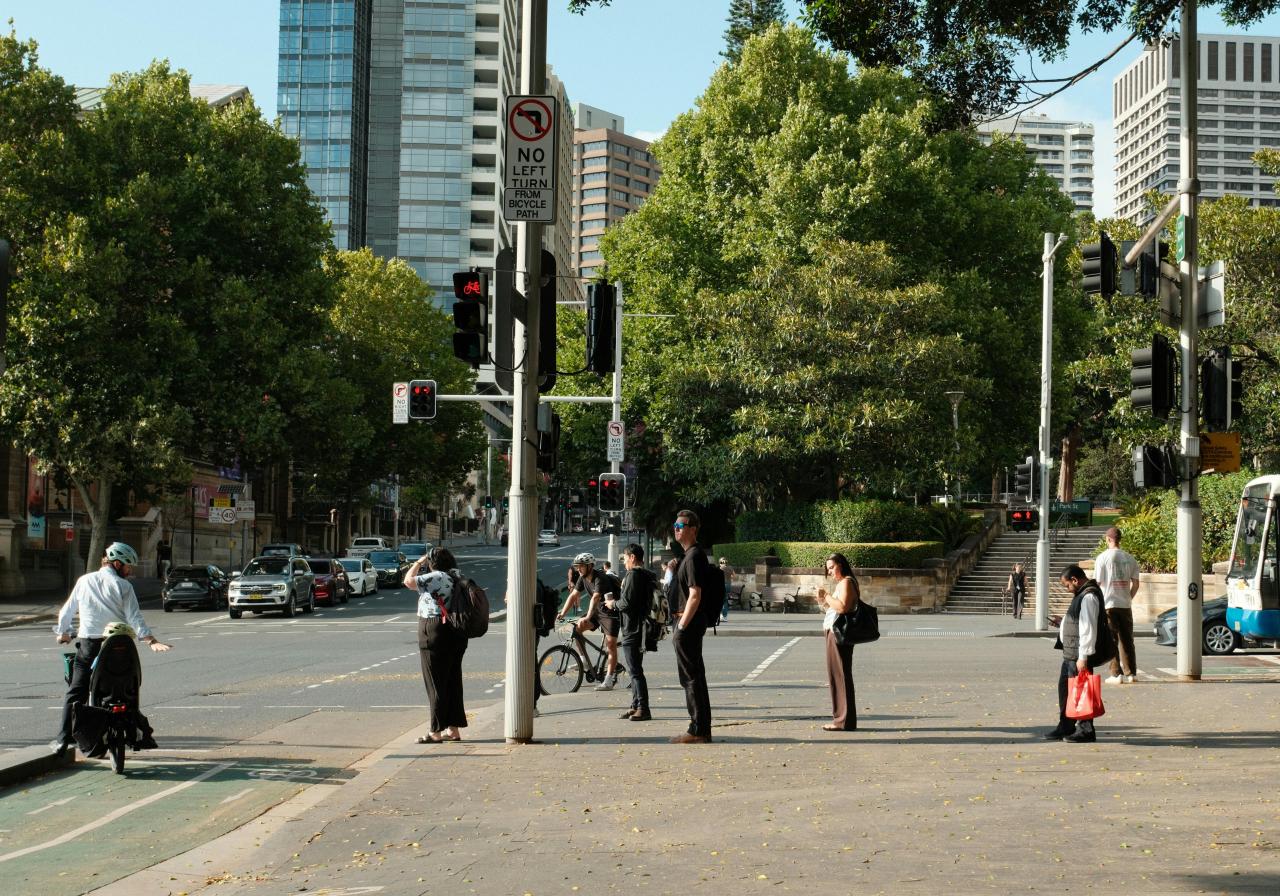
The fundamental nature of urban social interaction is currently experiencing a profound structural realignment as the traditional boundaries between physical architecture and digital connectivity dissolve to make way for the era of hyper-connected, immersive public realm design. This transformation is driven by a sophisticated understanding of spatial computing, environmental psychology, and the urgent necessity for institutional real estate developers and municipal authorities to create high-performance urban hubs that can compete for global human talent and high-net-worth capital in an increasingly decentralized world.
In the modern landscape of high-density metropolitan living, a public space is no longer just a passive square or a paved thoroughfare; it has evolved into a proactive, data-rich ecosystem that utilizes invisible sensor arrays, reactive lighting protocols, and multi-sensory environmental triggers to foster a sense of deep engagement and psychological belonging. For the strategic professional and the institutional asset manager, the implementation of these immersive frameworks represents a critical maneuver in asset valuation, as properties situated within or adjacent to hyper-connected public realms command significantly higher market premiums and enjoy greater long-term resilience against economic volatility.
By weaving advanced digital backbones directly into the structural DNA of plazas, parks, and transit nodes, architects are now able to engineer “responsive atmospheres” that can adapt their acoustic, visual, and thermal properties in real-time to match the shifting rhythms of human activity. This transition requires a deep mastery of low-latency wireless protocols, bio-adaptive material science, and the orchestration of non-rhythmic sensory stimuli to ensure that the relationship between the built environment and the public is one of mutualism and continuous discovery.
We are witnessing the birth of a new standard in urban excellence where the success of a development is measured by its “immersion quotient”—its ability to create a high-fidelity, frictionless social experience that actively enhances the cognitive clarity and emotional well-being of every inhabitant. Ultimately, the goal of immersive public realm design is to foster a state of total environmental resonance, transforming our cities into vibrant, living networks that support the highest potential of the human spirit while establishing a durable foundation for future-proofed metropolitan growth and high-yield commercial viability.
The Foundational Pillars of Hyper-Connected Urbanism
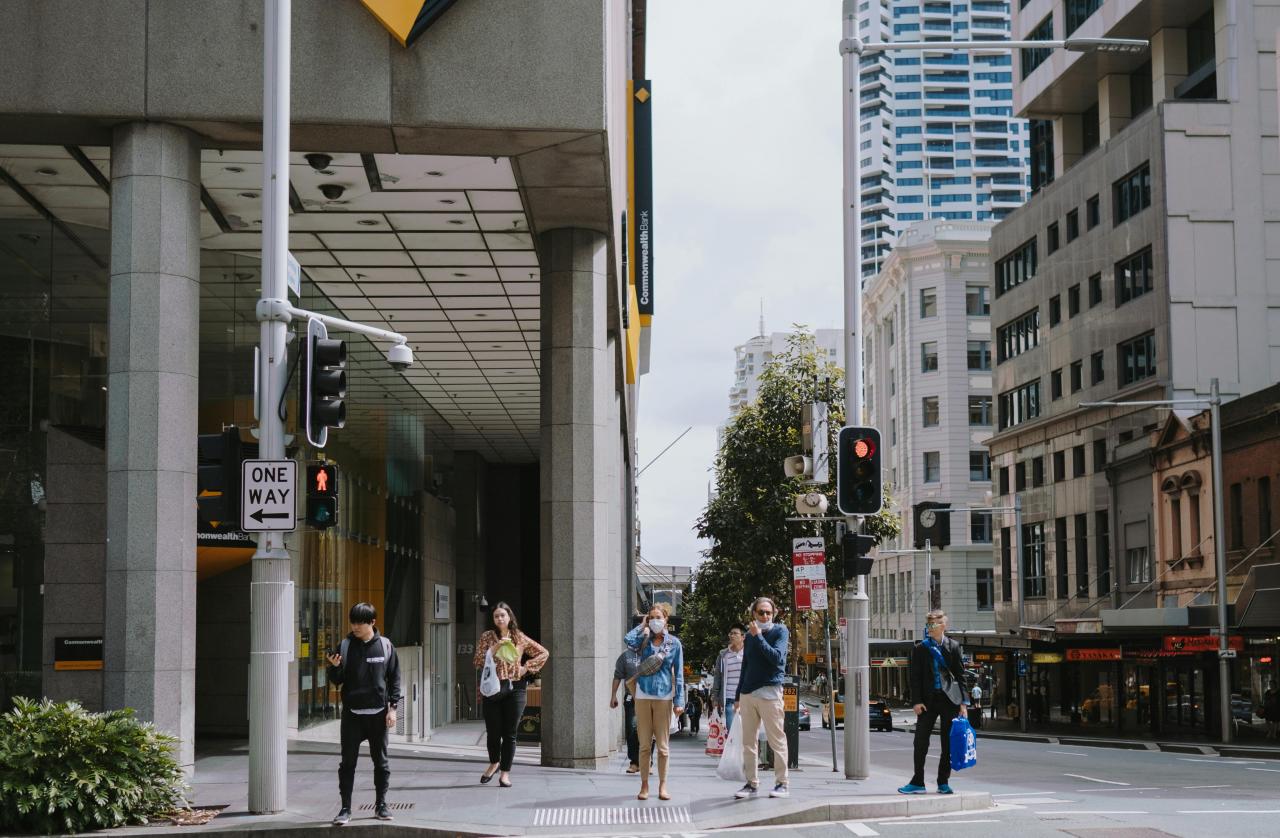
The transition toward a hyper-connected public realm requires a structural commitment to the integration of physical and digital layers. Modern immersive design is built upon a framework that prioritizes the seamless flow of data and human energy within the urban fabric.
A. High-Bandwidth Fiber Optic and Wireless Mesh Rails
B. Decentralized Edge Computing and Municipal Data Hubs
C. Integrated Sensor Arrays for Real-Time Spatial Awareness
D. Bio-Adaptive Lighting and Spectral Distribution Protocols
E. Multi-Sensory Environmental and Acoustic Resonance Nodes
By utilizing these foundational pillars, developers can ensure that a public space functions as a high-performance asset. This infrastructure provides the necessary sensory complexity to keep the urban brain engaged and relaxed simultaneously.
Implementing Responsive Lighting and Visual Narratives
Integrating dynamic lighting directly into the public realm is one of the most effective ways to influence mood and improve safety. Immersive lighting protocols act as a non-verbal communication layer that guides movement and highlights architectural features.
A. Automated Solar-Tracking and Circadian Dimming Cycles
B. Interactive Light-Emitting Surface and Kinetic Facade Rails
C. Visual Wayfinding via High-Contrast Spectral Projection
D. Integrated Emergency and Safety Illumination Logic
E. Seasonal Maintenance and Energy-Efficient LED Workflows
These lighting systems do more than just illuminate; they function as the nervous system of the space. By reacting to human presence, they create a personalized experience that increases the perceived value of the environment.
The Role of Acoustic Ecology in Public Realms
The sound of a public space is just as important as its visual appearance for maintaining psychological comfort. Immersive design utilizes advanced acoustic dampening and natural sound masking to create a “soundscape” that mimics the restorative frequencies of nature.
A. Integrated High-Fidelity Audio and Natural Soundscape Rails
B. Acoustic Panels Made from Bio-Based Materials and Fibers
C. Strategic Use of Water Features for Natural White Noise
D. Mitigation of Harsh Urban and Mechanical Noise Pollution
E. Resonance Optimization for Social and Cultural Interaction
A well-designed soundscape can significantly lower stress levels in a busy metropolitan center. It allows for deeper focus and a more profound sense of privacy and tranquility within a crowded space.
Material Science and Tactile Immersion Protocols
When designing for the public realm, the choice of materials dictates the tactile quality of the experience. Modern designers use high-performance natural analogues that provide a sense of warmth and permanence.
A. Sustainably Sourced Mass Timber and Natural Stone Rails
B. Self-Healing Bio-Concrete and Advanced Masonry Systems
C. Tactile Complexity and Organic Material Patina Logic
D. High-Durability Recycled Composite and Polymer Finishes
E. Natural Color Palettes and Biomorphic Structural Curves
These materials provide a physical connection to the earth while supporting the home’s role as a self-sustaining ecosystem. They create an environment that feels familiar and safe, reducing the stress associated with artificial urban surfaces.
Thermal Comfort and Natural Airflow Management
Instead of relying solely on outdoor heating or cooling, hyper-connected spaces use natural ventilation and thermal mass to maintain comfort. This creates a more dynamic environment where residents can feel the subtle changes in the breeze.
A. Cross-Ventilation and Urban Thermal Chimney Logic
B. Phase-Change Materials for Passive Temperature Storage
C. Integrated Misting and Evaporative Cooling Rails
D. Geothermal Ground-Coupled Air Exchange Systems
E. Automated Wind-Blocking Kinetic Screens and Barriers
This approach reduces energy consumption while improving the sensory quality of the air. Moving air feels more natural and refreshing than the static atmosphere found in traditional enclosed spaces.
Water Sovereignty and Restorative Hydrology Systems
Water is a powerful immersive element that provides both visual beauty and a sense of calm. Modern public realm designs integrate circular water systems that harvest rain to support internal gardens and reflective pools.
A. Atmospheric Water Generation and Rainwater Harvesting
B. Multi-Stage Biological Water Purification Rails
C. Visible Rainwater Management and Runoff Logic
D. Interactive Fountains and Reflection Pool Architectures
E. Nutrient Recovery for Integrated Urban Vertical Farming
Managing water as a visible resource reconnects the city with the hydrological cycle. It emphasizes the urban environment’s role as a self-sustaining ecosystem that respects natural resources.
The Economic Logic of High-Performance Public Assets
While the initial investment in immersive features can be higher, the long-term economic benefits for real estate are documented. These spaces command higher nearby property values and have lower turnover rates for commercial tenants.
A. Premium Valuation for Connected and Wellness-Certified Zones
B. Increased Foot Traffic and Consumer Engagement Yields
C. Reduction in Security and Maintenance Costs via Intelligence
D. Enhanced Market Differentiation and Brand Value for Districts
E. Long-Term Asset Resilience and Global ESG Compliance
For institutional investors, immersive public realms represent a “future-proof” asset class. It aligns with the growing global focus on high-quality urban living standards.
Psychological Restoration and Stress Mitigation Workflows
The most profound impact of immersive design is its ability to reduce urban stress and promote mental health. Spaces that incorporate nature and technology have been shown to lower heart rates and improve cognitive performance.
A. Restorative “Prospect and Refuge” Spatial Architectures
B. Fractal Complexity for Visual Brain Engagement Rails
C. Reduction in Sympathetic Nervous System Arousal Logic
D. Enhanced Creativity and Social Problem-Solving Capacity
E. Support for Emotional Regulation and Collective Peace
By creating environments that support our biological needs, we can thrive in high-density urban settings. Immersive design is the ultimate tool for maintaining mental health in the modern city.
Immersive Connectivity for High-Density Transit Hubs
As cities become more crowded, finding ways to integrate technology into transit footprints is essential. Smart stations and connected corridors are turning travel hubs into lush, livable social environments.
A. Integrated Real-Time Transit Data and Navigation Rails
B. Biophilic Connectivity for Underground and Elevated Nodes
C. Pocket Park Integration within Commercial Transit Zones
D. Community Garden and Urban Farming Connectivity Hubs
E. High-Performance Infrastructure for Public Transit Flow
These interventions create a “green ribbon” across the city, supporting local life and improving the quality of transit for all. It is a vital step toward creating resilient and sustainable urban ecosystems.
The Future of Bio-Integrated Public Architecture
We are moving toward a future where our public spaces will not just mimic nature but will be made of living materials. Imagine a park that grows its own shade structures and repairs its own paths.
A. Living Root and Fungal Mycelium Structural Rails
B. Bioluminescent Public Lighting via Synthetic Biology
C. Carbon-Sequestering Photosynthetic Pavement Systems
D. Genomic Customization of Urban Shade and Flora
E. Autonomous Maintenance and Self-Repairing Infrastructure
Staying at the cutting edge of these technologies is essential for any professional urban developer. The next industrial revolution will be a biological one, and our cities will be the center of it.
Strategic Capital Allocation for Immersive Projects
When building or buying into a hyper-connected district, it is vital to view the capital through the lens of long-term performance. The “connectivity premium” is a strategic investment that pays for itself through efficiency and safety.
A. Lifecycle Cost Analysis of Intelligent Public Infrastructure
B. Hedging Against Future Energy and Social Volatility
C. Strategic Use of Green Finance and Sustainable Loans
D. Positioning Assets for the Global Professional Elite
E. Long-Term Reduction in District and Asset Vacancy
High-performance urbanism is the only way to truly future-proof a global real estate portfolio. It is the definitive choice for those who understand that the greatest luxury is a city that works for its people.
Digital Sovereignty and Public Privacy Frameworks
In an era of hyper-connectivity, the protection of citizen data is a critical component of smart public realm execution. High-performance cities use edge computing to ensure that personal data remains private.
A. Hardware-Level Encryption for Urban Data Rails
B. Decentralized Data Storage and Secure Enclave Processing
C. Anonymous Behavioral Pattern Aggregation for AI Learning
D. Verified Third-Party Cybersecurity Integrity Audits
E. Transparent Data Usage and Citizen Consent Protocols
Maintaining data sovereignty protects the city from cyber-attacks and preserves the trust of the residents. It is the definitive standard for institutional-grade urban technology today.
Scaling Immersive Districts into Autonomous Cities
The final stage of execution involves scaling these intelligent systems from a single plaza to the entire metropolitan area. This creates a “network of twins” that share resources and data to create a truly autonomous urban organism.
A. Interoperable Data Standards for Multi-District Synergy
B. Cross-Zone Resource Management and Yield Sharing Rails
C. Standardized Planning Guidelines for Autonomous Growth
D. Integration of Public Green Space and Mobility Corridors
E. Promotion of Local Craftsmanship within Digital Economies
Scaling these systems creates a more resilient and sustainable urban fabric. It ensures that the city can grow and adapt to the needs of the next generation.
Robotic Construction and Fabrication in the Public Realm
We are on the cusp of an era where public spaces will be built and maintained by autonomous robotic systems. 3D-printed infrastructure and self-repairing paths will be managed by the city’s digital twin.
A. Robotic Construction and Autonomous Fabrication Rails
B. 3D-Printed Structural Components and Bridge Elements
C. Predictive Maintenance for Large-Scale Public Assets
D. Self-Repairing Material and Bio-Concrete Research Logic
E. Automated Compliance and Permitting Verification Hubs
Staying ahead of these trends is essential for any professional in the construction industry. The city of tomorrow will be built with a level of precision that is currently impossible for human labor alone.
Conclusion
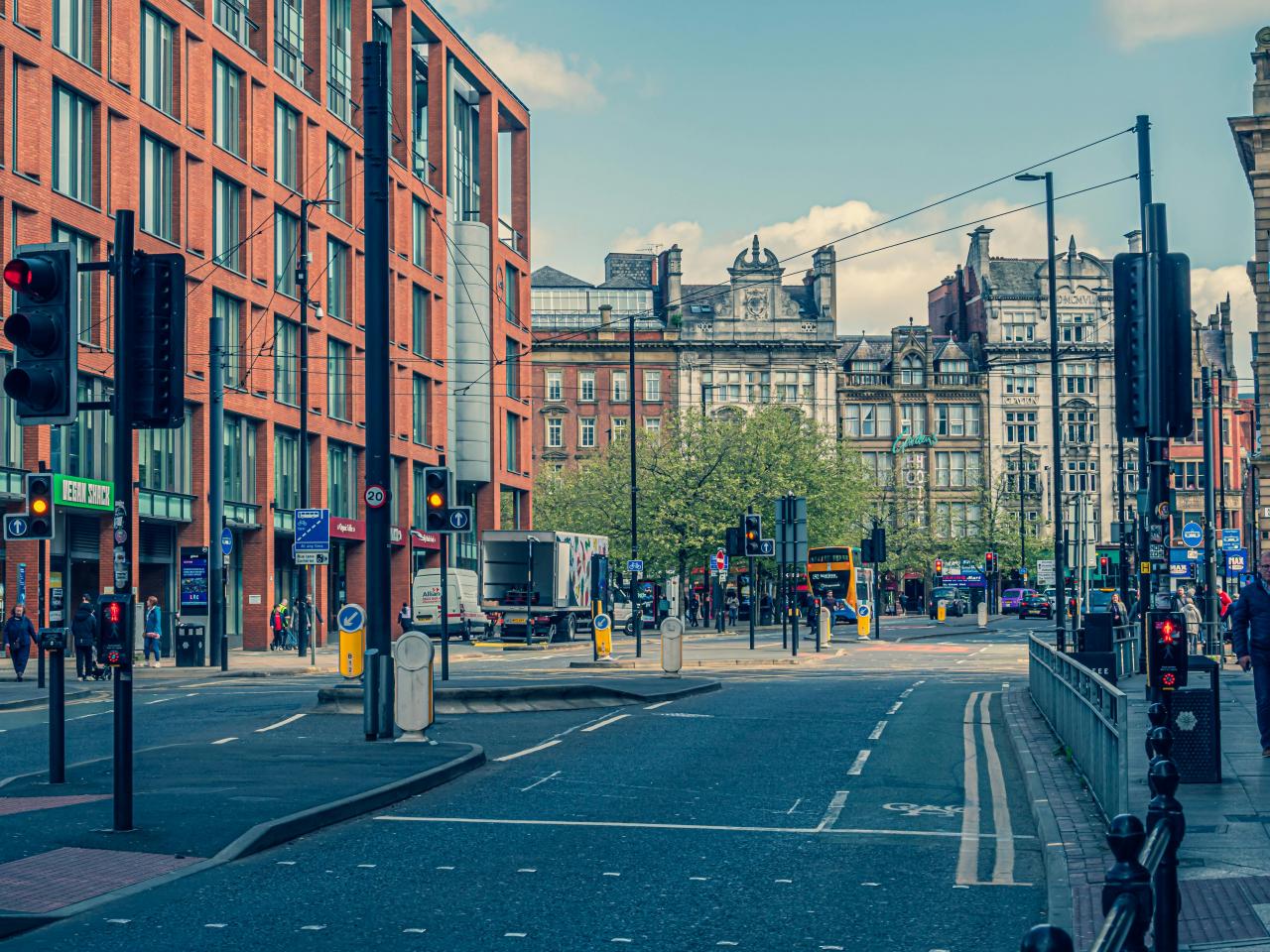
The evolution toward hyper-connected public realms represents the future of architectural progress. Static and disconnected urban spaces are no longer sufficient to support modern social needs. Strategic infrastructure investment is the primary foundation for long-term asset resilience. Immersive lighting and soundscapes turn the city into a fluid and restorative environment.
Energetic sovereignty is achieved through the intelligent orchestration of district grids. Water circularity ensures that the city remains resilient against future environmental shocks. Digital twin technology allows for a proactive and risk-free approach to urban design. The economic returns on connected assets are driven by superior efficiency and demand. Stealth security provides a proactive defense while maintaining an aesthetic of openness.
Public wellness and biophilic integration are the primary drivers of human performance. Food security through vertical farming turns the metropolis into a self-sustaining entity. Data sovereignty and edge computing are the pillars upon which citizen trust is built. Scaling from districts to metropolises requires a commitment to interoperable standards. Robotic construction and AI fabrication will define the speed and precision of growth. Strategic capital allocation in smart infrastructure is a masterclass in risk mitigation. Ultimately, the goal of immersive design is to create a habitat for human potential. The city of the future is an invisible masterpiece of digital foresight and structure.