

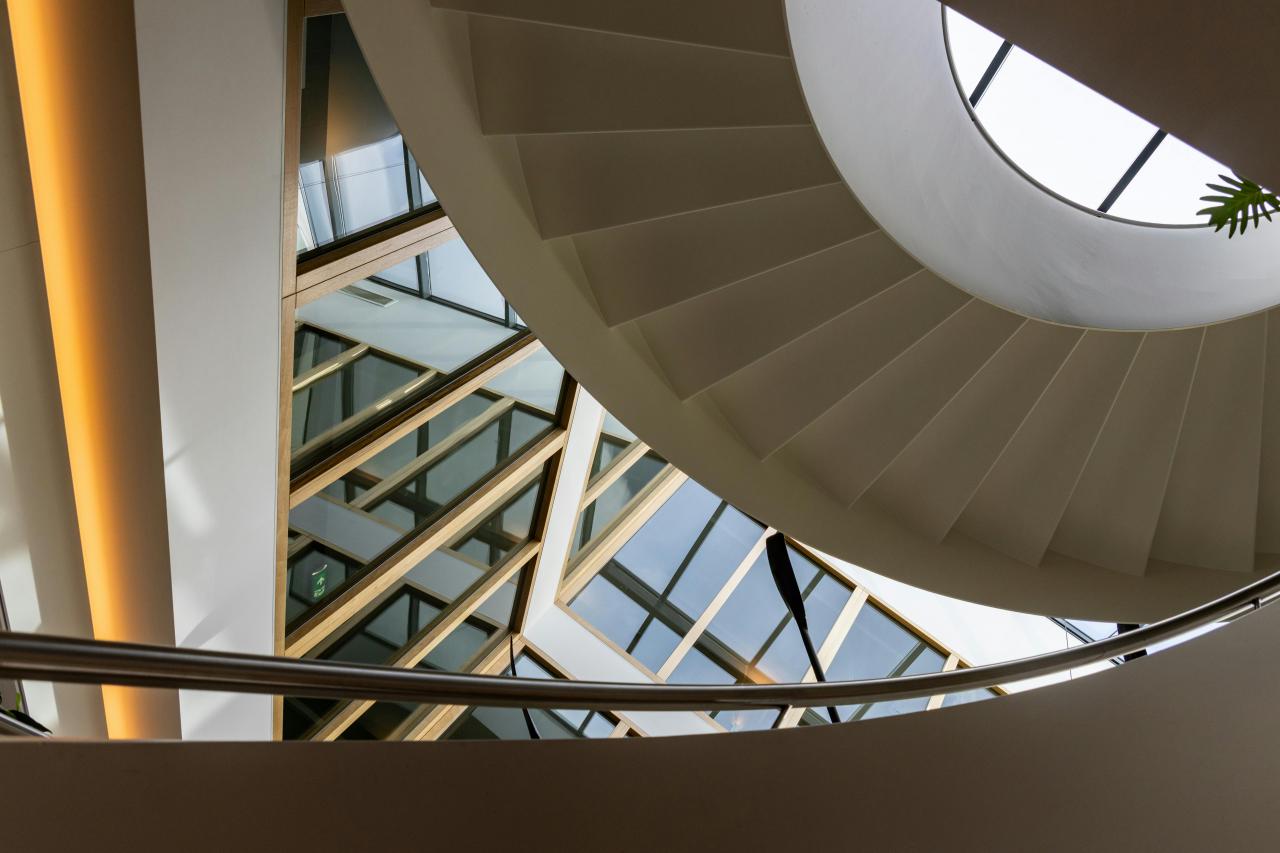
The contemporary evolution of high-end residential design has reached a sophisticated peak with the emergence of warm minimalism, a refined aesthetic philosophy that transcends the sterile austerity of traditional minimalist movements to create environments of profound emotional resonance and structural integrity. This transformation represents a definitive shift in the global luxury real estate market, where elite homeowners and institutional investors are moving away from overt opulence toward a more nuanced form of “quiet luxury” that prioritizes the sensory quality of materials, the precision of architectural light, and the psychological wellness of the inhabitants.
Warm minimalism is not merely a reduction of physical clutter but a deliberate orchestration of space, where every void is as considered as every solid, and where the absence of ornamentation allows for the true character of premium raw materials to communicate a sense of permanence and peace. By integrating organic textures—such as hand-applied lime wash, reclaimed European oak, and honed travertine—with the sharp lines of modern structural engineering, designers are now able to create sanctuaries that feel both cutting-edge and deeply ancestral.
This design language utilizes the principles of “soft fascination” to lower cortisol levels and enhance cognitive clarity, recognizing that the built environment acts as a proactive partner in human performance and biological recovery. As global capital increasingly flows toward wellness-certified residential assets and biophilic spatial planning, the mastery of warm minimalist frameworks has become a primary differentiator for developers seeking to attract high-net-worth individuals who value authenticity over artifice.
This transition requires a profound understanding of tonal layering, acoustic ecology, and the manipulation of natural shadow to ensure that a space feels expansive yet intimate, and disciplined yet welcoming. Ultimately, the goal of warm minimalism in custom interiors is to foster a state of environmental harmony that supports a life of total fluidity and focus, promising a future where the sanctuary of the home remains a fortress of stability and aesthetic excellence regardless of the volatility of the external world.
The Structural Pillars of Refined Minimalist Design
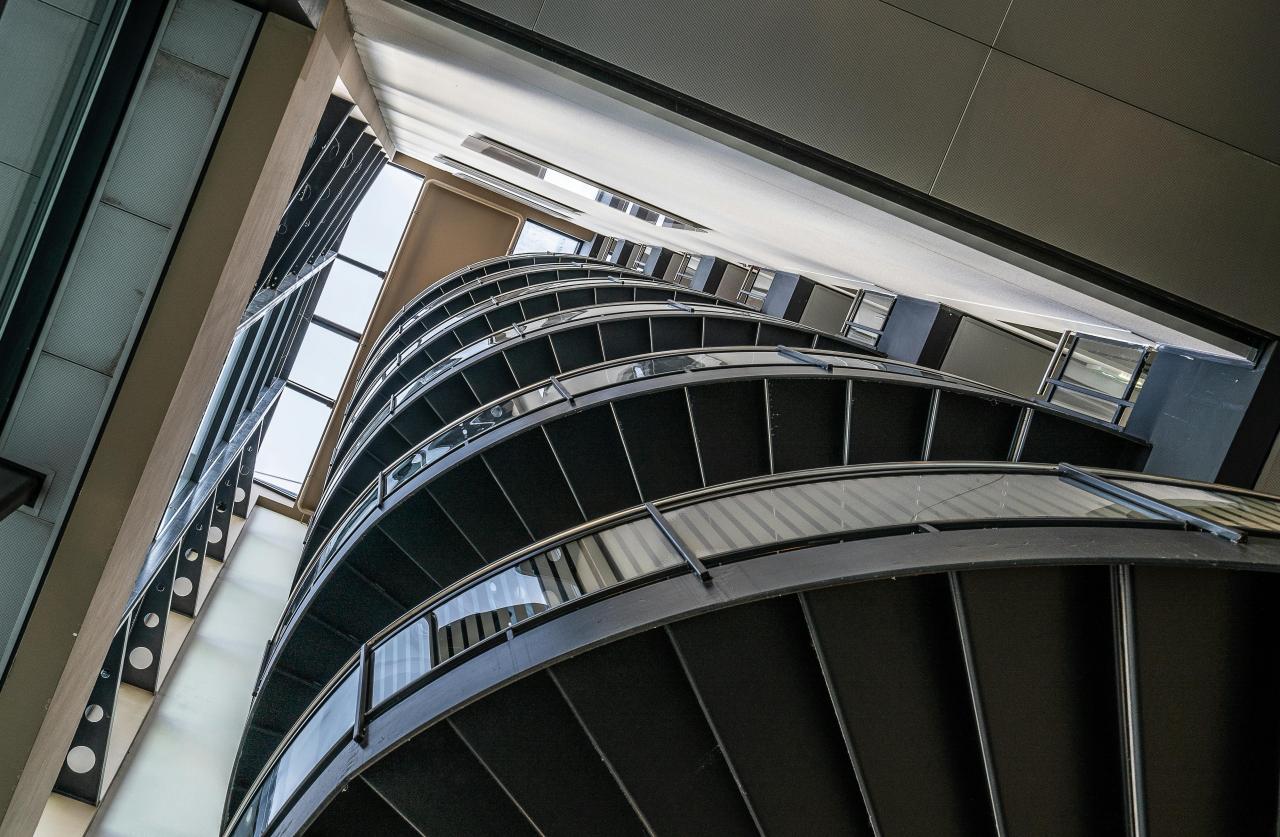
Achieving a high-performance warm minimalist interior requires a structural commitment to the fundamental pillars of spatial organization and material honesty. This framework ensures that the environment remains visually silent yet tactilely rich, providing the necessary depth for long-term psychological comfort.
A. Architectural Continuity and Monolithic Volume Strategy
B. Organic Materiality and High-Tactility Surface Logic
C. Precision Shadow Mapping and Indirect Light Rails
D. Integrated Hidden Storage and Spatial De-Cluttering Nets
E. Curated Furniture Selection and Sculptural Focal Points
By establishing these core pillars, architects can create a “sensory neutral” baseline that prevents visual fatigue. This infrastructure allows the mind to rest while the body engages with the subtle complexities of the natural textures throughout the residence.
Material Alchemy and the Power of Organic Textures
In warm minimalism, the material palette acts as the primary narrative of the space, replacing the need for decorative objects with the inherent beauty of natural surfaces. Designers utilize “material alchemy” to balance cool, industrial elements with warm, earth-derived finishes that provide a grounding effect for the resident.
A. Hand-Applied Plaster and Mineral Based Wall Finishes
B. Sustainable European Oak and Walnut Timber Framing
C. Honed Natural Stones and Low-Lustre Marble Surfaces
D. Natural Fiber Textiles including Belgian Linen and Wool
E. Patinated Metal Details in Bronze or Aged Brass
This focus on materiality ensures that the home feels substantial and authentic rather than fragile or artificial. High-tactility surfaces invite touch and create a sense of craftsmanship that defines the pinnacle of bespoke luxury living.
Precision Lighting and the Orchestration of Shadow
Light is the most critical tool for defining the atmosphere of a warm minimalist space, used to highlight the depth of textures and the rhythm of architectural volumes. Instead of traditional overhead fixtures, premium interiors utilize “light rails” that provide a soft, diffuse glow and create a sense of mystery through the use of shadow.
A. Integrated Cove Lighting and Hidden Perimeter Glow
B. Sculptural Light Installations as Architectural Statements
C. Automated Circadian Tuning and Warm Dimming Logic
D. Natural Light Harvesting via Strategic Aperture Placement
E. Low-Glare Recessed Pin-Spot and Focused Task Lighting
By controlling the contrast between light and dark, designers can influence the emotional state of the occupant. This deliberate manipulation of the luminous environment supports natural biological rhythms and enhances the overall “warmth” of the minimalist aesthetic.
Spatial Fluidity and the Removal of Kinetic Friction
Warm minimalism prioritizes the ease of movement through a space, ensuring that the physical layout supports a lifestyle of total focus and efficiency. This involves the removal of unnecessary partitions and the integration of “invisible” functional elements that keep the visual field clear.
A. Seamless Floor-to-Ceiling Joinery and Hidden Doors
B. Open-Plan Living Zones with Defined Acoustic Boundaries
C. Minimalist Thresholds and Zero-Entry Transition Rails
D. Strategic Sightline Optimization and Visual Terminus Logic
E. Integrated Home Automation and Invisible Control Hubs
Removing kinetic friction allows the resident to transition between work, relaxation, and social activities without distraction. The home functions as a self-optimizing organism that adapts to the specific needs of the inhabitant in real-time.
Acoustic Ecology and the Sound of Silence
A high-end custom interior must sound as good as it looks, requiring a structural commitment to acoustic ecology. Warm minimalism utilizes soft materials and geometric diffusion to absorb harsh urban noises, creating a quiet sanctuary that fosters deep recovery.
A. High-Density Acoustic Wall and Ceiling Assemblies
B. Seamless Fabric-Wrapped Panels and Sound Absorption
C. Strategic Use of Soft Floor Coverings and Deep Rugs
D. Integrated White Noise and Natural Sound Masking
E. Triple-Glazed High-STC Rated Windows and Apertures
This level of acoustic control is a defining characteristic of premium real estate. It ensures that the sanctuary of the home remains undisturbed, providing the psychological safety needed for high-performance living.
The Art of Curation and the Sculptural Object
In a space with few items, every object must be chosen for its exceptional quality and aesthetic contribution. Warm minimalism views furniture and art not as accessories, but as sculptural elements that define the character and scale of the architectural volume.
A. Handcrafted Bespoke Furniture with Timeless Silhouettes
B. Large-Scale Abstract Art and Singular Gallery Placements
C. Functional Ceramics and Hand-Blown Glass Accents
D. Integrated Library Shelving and Curated Book Displays
E. Vintage Design Classics as Historic Counterpoints
Curation is about quality over quantity, ensuring that each piece has room to breathe. This disciplined approach highlights the owner’s taste and the inherent value of each investment-grade object within the residence.
Wellness-Centric Design and Biophilic Resonance
The integration of nature is essential for adding warmth to a minimalist environment, utilizing greenery and natural views to create a sense of vitality. Biophilic design principles are woven into the fabric of the building to support the long-term health and wellness of the residents.
A. Integrated Interior Planters and Living Green Walls
B. Framed Views of Controlled Nature and Private Courtyards
C. Natural Airflow and Thermal Variability Orchestration
D. Usage of Non-Toxic and Low-VOC Material Standards
E. Presence of Water Elements for Auditory Calm and Cooling
This biological connection reduces stress and improves mood, turning the home into a proactive tool for longevity. A warm minimalist home is a habitat designed for the human animal to thrive in a high-tech world.
Data Sovereignty and the Invisible Smart Home
For the high-profile resident, technology must be powerful yet completely invisible, managed through secure local hubs to protect personal privacy. Warm minimalist interiors integrate smart systems into the joinery and structure, ensuring that sensors and interfaces do not disrupt the aesthetic calm.
A. Localized Secure Edge Computing for Home Automation
B. Hardware-Level Privacy and Air-Gapped Security Rails
C. Integrated Voice and Haptic Control Interfaces
D. Automated Environmental Adjustment based on Biometrics
E. Transparent Data Sovereignty and Privacy Audit Logs
Maintaining data sovereignty is a non-negotiable standard for elite residential projects. It ensures that the “intelligence” of the home remains a private resource for the family, free from external surveillance.
The Economic Impact of High-Performance Aesthetics
Assets that successfully execute a warm minimalist philosophy command significant premiums in the global luxury market. This aesthetic is viewed as a durable investment because it is aligned with the long-term trends of wellness, sustainability, and technological integration.
A. Significant Increase in Asset Resale and Rental Equity
B. Reduction in Total Cost of Ownership via Timeless Quality
C. Strategic Positioning for Institutional ESG Portfolios
D. Enhanced Marketability to Global Professional Elites
E. Longevity-Focused Build Quality and Low Maintenance
Investing in warm minimalism is a strategic choice for the discerning developer. It creates a product that is fundamentally superior in both functional performance and aesthetic appeal.
Future Trends in Custom Interior Architecture
We are moving toward a world where interiors will be able to physically adapt to the needs of the resident using modular and kinetic components. Warm minimalism will remain the dominant aesthetic, providing the disciplined framework for these advanced technological updates.
A. Kinetic Joinery and Reconfigurable Living Modules
B. AI-Driven Material Science and Self-Healing Finishes
C. 3D-Printed Bespoke Structural Elements and Textures
D. VR-Enhanced Pre-Occupancy Sensory Design Testing
E. Emerging Bio-Based Polymers for Sustainable Luxury
Staying ahead of these trends ensures that a residential project remains at the cutting edge for decades. It turns the home into a living platform for continuous innovation and aesthetic evolution.
Strategic Capital Allocation for Luxury Interiors
When building or buying a custom interior, it is vital to view the material and structural choices through the lens of long-term performance. The “quality premium” is a strategic investment that pays for itself through beauty, safety, and psychological wellness.
A. Lifecycle Cost Analysis of Premium Raw Materials
B. Hedging Against Future Resource and Aesthetic Volatility
C. Strategic Use of Craftsmanship and Local Artisanal Labor
D. Positioning Assets for the Global High-Net-Worth Elite
E. Long-Term Reduction in Maintenance and Renovation Needs
High-performance architecture is the only way to truly future-proof a global real estate portfolio. It is the definitive choice for those who understand that the greatest luxury is a home that supports the highest human potential.
Conclusion
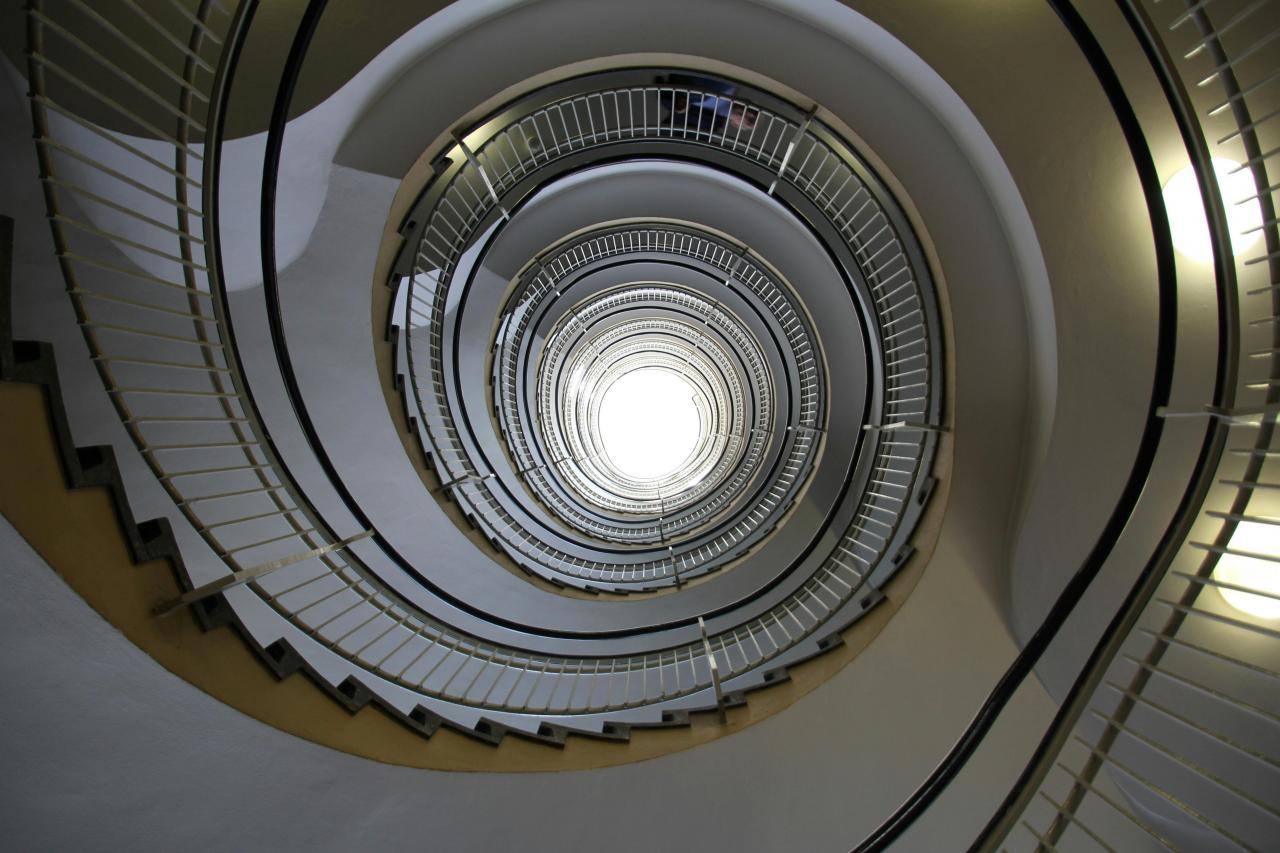
Warm minimalism represents the ultimate peak of modern residential interior design. Sterile minimalism is no longer sufficient for the emotional needs of the luxury consumer. Strategic material selection is the primary foundation for aesthetic warmth and value. Precision lighting and shadow orchestration define the depth of a bespoke space.
Spatial fluidity is achieved through the total removal of kinetic and visual friction. Acoustic ecology provides the necessary soundscape for deep recovery and focus. The art of curation ensures that every object in the home is a valuable investment. Biophilic integration turns the minimalist sanctuary into a living, restorative habitat. Data sovereignty ensures that the intelligent home remains private and secure. The economic returns on warm minimalist assets are driven by superior desirability.
Future trends will bring even more technological integration into the minimalist fold. Strategic capital allocation in high-quality materials is a masterclass in risk mitigation. Technology and craftsmanship are the dual engines of modern architectural innovation. Designing with foresight is the only way to build for a lifetime of wellness. Ultimately, warm minimalism fosters a state of total environmental and mental resonance. The home of the future is an invisible masterpiece of disciplined design and comfort.