

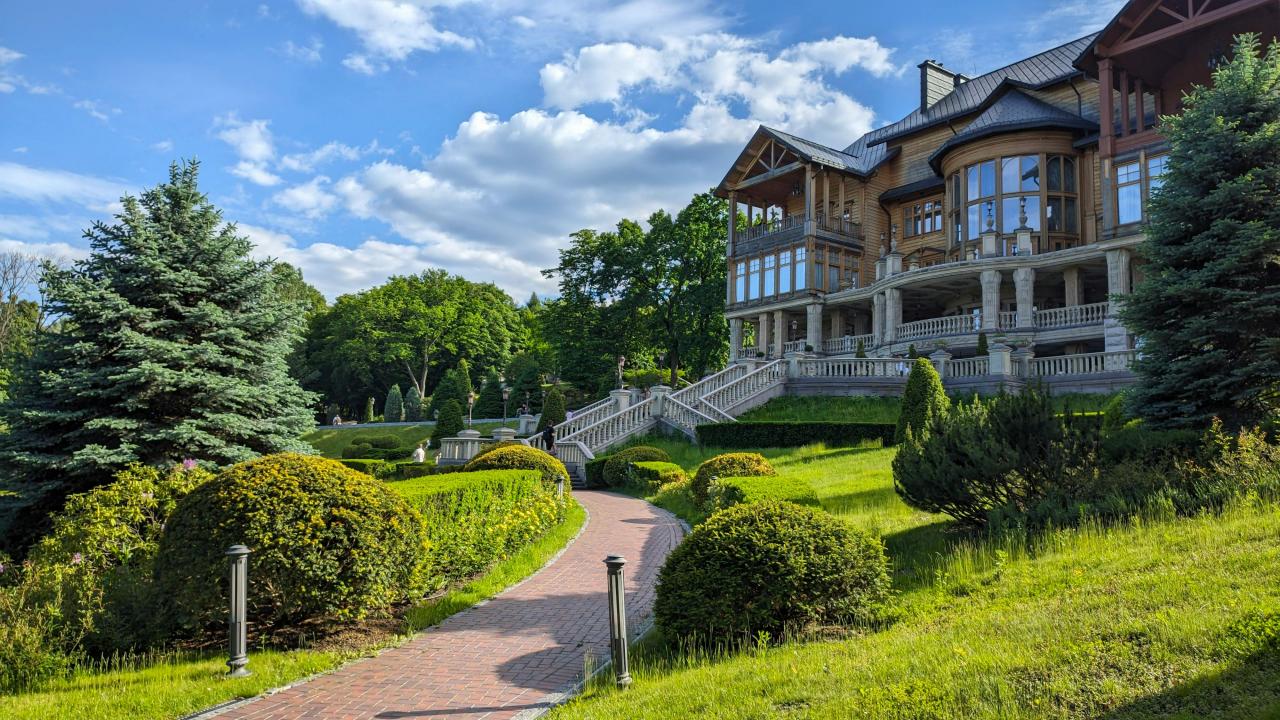
The global real estate market is undergoing a seismic shift as institutional investors and high-net-worth individuals move away from traditional luxury metrics toward a more sophisticated framework of structural performance known as the Passive House standard. This evolution in residential engineering represents the absolute pinnacle of building science, focusing on a “fabric-first” philosophy that ensures a property remains thermally resilient, energetically independent, and fundamentally superior in comfort compared to any conventional construction.
For the discerning property owner, the adoption of these rigorous international standards is no longer merely a sustainable choice but a critical strategic maneuver to safeguard the long-term capital value of their assets against rising energy volatility and tightening environmental regulations. A Passive House is meticulously engineered to maintain a constant, perfect interior climate with minimal mechanical intervention, utilizing advanced thermodynamics, airtight construction envelopes, and high-performance thermal bridges that virtually eliminate heat loss.
This high-tier approach to architecture necessitates a radical departure from standard building practices, requiring specialized expertise in multi-stage insulation systems, triple-glazed precision apertures, and medical-grade ventilation recovery logic. As the luxury sector increasingly prioritizes health, longevity, and operational efficiency, the Passive House certification has emerged as the definitive gold standard for future-proofed real estate, offering a level of interior air purity and acoustic serenity that is technically impossible to achieve in a typical home.
We are witnessing the birth of a new “performance-as-luxury” paradigm where the true value of a residence is found in the invisible quality of its air, the stability of its internal temperature, and its ability to function as a sovereign micro-grid.
This transition requires a mastery of thermal bridge-free design and high-capacity heat recovery ventilation (HRV) systems to ensure that the home remains a sanctuary of wellness regardless of the environmental extremes outside its walls. Ultimately, the goal of Passive House standards in the premium sector is to foster a state of total residential security, providing the occupant with a durable, high-yield asset that defines the future of sophisticated urban and rural living.
The Core Pillars of Passive House Engineering
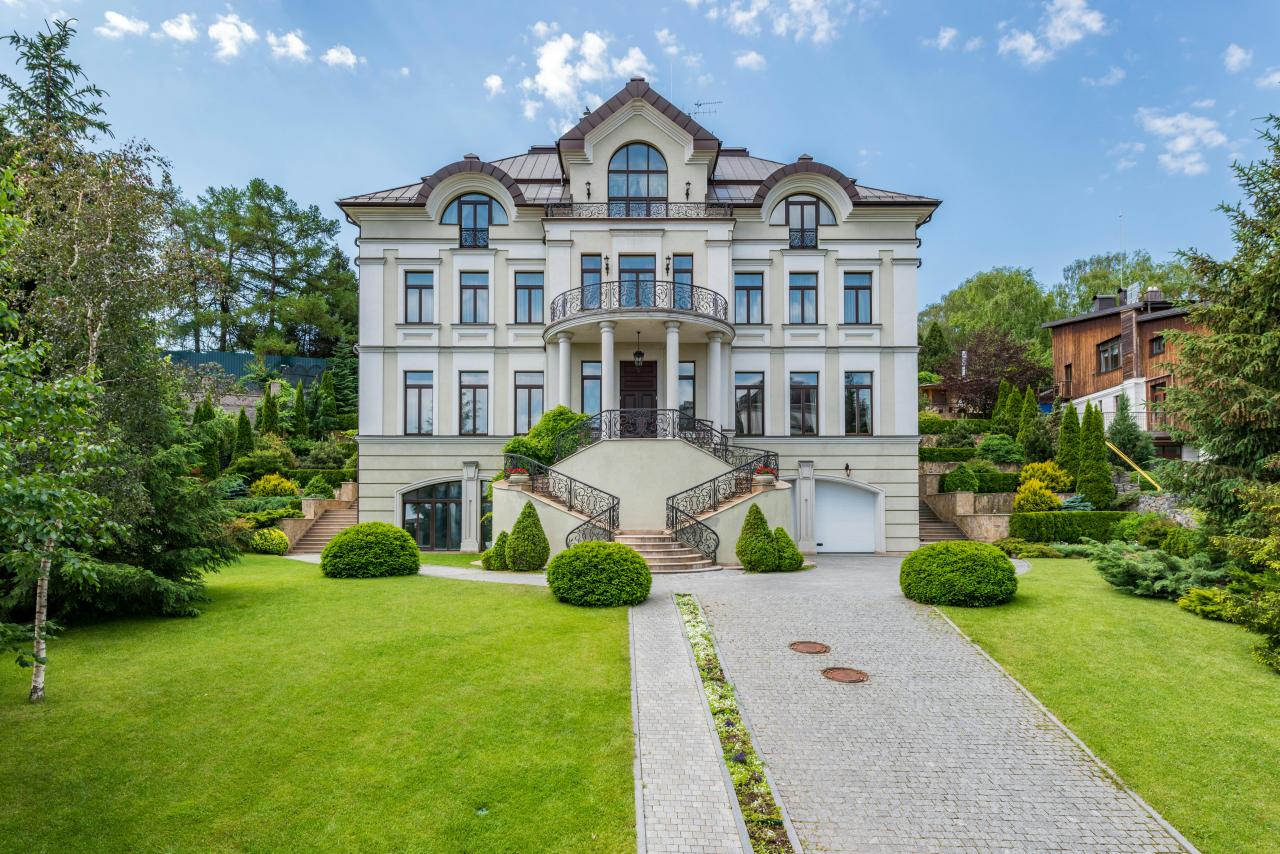
The transition to a high-performance estate requires a structural commitment to five fundamental principles that work in harmony to reduce energy consumption by up to 90%. These pillars ensure that the building operates with maximum efficiency while providing an unparalleled level of comfort for the residents.
A. Superior Continuous Thermal Insulation Layering
B. Thermal Bridge Free Structural Design Protocols
C. High Performance Triple Glazed Window Systems
D. Airtight Building Envelope Construction Logic
E. Heat Recovery Ventilation and Air Filtration
By implementing these core pillars, developers can create a home that stays warm in the winter and cool in the summer using only the energy of the sun and the heat from internal appliances. This infrastructure provides the necessary baseline for total domestic autonomy and resilience.
Advanced Insulation and Building Envelope Integrity
The first step in future-proofing a luxury asset is the creation of a super-insulated shell that acts like a high-end thermal flask for the interior living space. This involves using specialized materials that have extremely low thermal conductivity to prevent any unintended heat exchange with the outside world.
A. High Density Vacuum Insulated Structural Panels
B. Graphite Infused Expanded Polystyrene Rails
C. Aerogel Based Thermal Barrier Integration
D. Mineral Wool and Cellulose Fiber Cavity Filling
E. External Thermal Insulation Composite System Logic
A robust envelope reduces the load on mechanical systems, which significantly extends the lifespan of the property’s infrastructure. It also provides a massive reduction in monthly operational expenditures, making the asset more attractive to long-term institutional buyers.
Eliminating Thermal Bridges in Luxury Structures
Thermal bridges are “highways” for heat loss that occur at junctions, corners, and where structural elements penetrate the insulation layer. In a Passive House, these bridges are surgically eliminated to ensure there are no cold spots or areas prone to moisture and mold growth.
A. Thermally Broken Structural Connector Frames
B. Insulated Foundation Slab and Wall Junctions
C. Non-Conductive Balcony and Roof Attachment Rails
D. Strategic Geometry for Minimal Surface Area Exposure
E. Advanced Infrared Thermography Verification Protocols
Removing these weaknesses ensures the structural longevity of the building by preventing internal condensation. It also creates a perfectly uniform temperature across every wall and floor surface, enhancing the resident’s physical comfort.
The Role of High Performance Fenestration Systems
Windows and doors are traditionally the weakest points in a building’s thermal defense, but in a Passive House, they are engineered to be net energy gainers. These systems utilize triple or even quadruple glazing with noble gas fillings to provide maximum insulation and soundproofing.
A. Triple Glazed Argon and Krypton Filled Units
B. Low-Emissivity Selective Spectrally Coated Glass
C. Insulated Window Frame and Sash Profiles
D. Solar Gain Optimization for Passive Heating
E. Automated External Shading and Tinting Rails
These windows allow natural light to flood the interior while keeping the harsh outside noise and temperatures away. For a luxury estate, this results in a quiet, serene environment that feels completely disconnected from the urban chaos.
Medical Grade Air Quality and Heat Recovery
A Passive House is built airtight, which means it requires a sophisticated ventilation system to provide a constant stream of fresh, filtered air. The Heat Recovery Ventilation (HRV) system captures the heat from outgoing stale air and transfers it to the incoming fresh air with incredible efficiency.
A. Counter-Flow Heat Exchanger Core Technology
B. High Efficiency Particulate Air (HEPA) Filtration
C. Demand-Controlled Humidity and CO2 Sensing
D. Low Energy Commutated Motor Fan Units
E. Silent Ducting and Acoustic Attenuation Rails
This system ensures that the interior air is cleaner than the air outside, removing pollen, dust, and pollutants. For health-conscious residents, this is a major selling point that directly impacts their daily vitality and sleep quality.
Energetic Sovereignty and Micro-Grid Integration
Passive Houses are the perfect foundation for achieving a “Net-Zero” or even “Net-Positive” energy status. Because the baseline energy demand is so low, a modest solar or geothermal setup can easily provide more power than the home consumes.
A. Building Integrated Photovoltaic Roof and Facades
B. Decentralized Battery Storage and Load Balancing
C. Vehicle-to-Home Bidirectional Charging Rails
D. Ground Source Geothermal Heat Pump Synergies
E. Intelligent Domestic Energy Management Hubs
Being independent of the grid provides a level of security that is highly valued by high-net-worth individuals. In the event of a regional power failure, a Passive House remains fully functional and comfortable for days or even weeks.
Acoustic Serenity and Interior Sound Management
The heavy insulation and airtight construction of Passive House standards provide a secondary benefit that is often overlooked: incredible acoustic isolation. The home becomes a silent sanctuary where outside traffic, sirens, and construction noise are completely neutralized.
A. Multi-Layered Acoustic Damping Wall Assemblies
B. High STC Rated Floor and Ceiling Buffers
C. Silent Mechanical System and Ducting Design
D. Vibration Isolation for Rotating Equipment
E. Decoupled Structural Elements for Impact Noise
This level of quiet is a rare luxury in modern cities. It allows for a deeper sense of relaxation and privacy, which are essential components of a premium residential experience.
Real Estate Valuation and Asset Appreciation
Properties built to Passive House standards command a significant premium in the global market due to their superior build quality and lower risk profile. These assets are viewed as “inflation-proof” because they are not vulnerable to skyrocketing utility costs.
A. Institutional Premium for Performance Certification
B. Lower Maintenance and Replacement Life Cycles
C. Higher Resale Value in Competitive Urban Hubs
D. Reduced Insurance Premiums for Resilient Structures
E. Accelerated Depreciation and Green Tax Incentives
Investors are increasingly looking for ESG-compliant assets that provide stable returns. A Passive House is a “buy-once” investment that retains its value much better than traditionally built luxury homes.
Wellness and Biophilic Synergy in Passive Design
While Passive House focuses on engineering, it often works in tandem with biophilic design to create a restorative environment. Large high-performance windows provide a direct connection to nature without the thermal drawbacks of standard glass.
A. Visual Connection to Greenery and Biodiversity
B. Optimized Natural Daylighting and Mood Elevation
C. Indoor Air Humidity and Texture Balance
D. Use of Natural and Non-Toxic Building Materials
E. Harmonization of Interior and Exterior Spaces
The result is a home that supports both the physical and psychological health of the occupant. It is a space designed for longevity, where every element contributes to a sense of calm and well-being.
Navigating the Certification and Quality Assurance Process
Achieving Passive House certification is a rigorous process that involves detailed modeling and on-site testing. This third-party verification provides the owner with an absolute guarantee that the building will perform exactly as promised.
A. Detailed Passive House Planning Package (PHPP) Modeling
B. Multi-Stage Blower Door Pressure Testing
C. Independent Verification of Component Performance
D. On-Site Quality Control and Construction Audits
E. Final Performance Certification and Documentation
This certification is a mark of excellence that is recognized by architects and engineers worldwide. It protects the buyer from “greenwashing” by ensuring that the building’s claims are backed by hard data.
The Future of Passive House in High-Density Urbanism
As our cities become more crowded and energy-stressed, Passive House standards are being adapted for large-scale residential towers and commercial developments. This “Passive House Plus” model is the blueprint for the sustainable metropolises of the future.
A. Scaling High-Performance Envelopes for Skyscrapers
B. District Heating and Cooling Synergy Rails
C. Automated Urban Micro-Climate Management
D. Integration with Smart City Data Networks
E. Low-Carbon Concrete and Mass Timber Synergies
Adopting these standards at scale will be the key to meeting global climate goals. The luxury sector is leading the way, proving that performance and comfort are the true definitions of modern prestige.
Strategic Capital Allocation for Passive Projects
When building or buying a Passive House, it is important to view the initial cost through the lens of total cost of ownership. The “performance premium” is a strategic investment that pays for itself through energy savings and asset protection.
A. Lifecycle Cost Analysis vs. Traditional Luxury
B. Hedging Against Future Energy Price Spikes
C. Strategic Use of Sustainable Finance and Loans
D. Long-Term Reduction in Property Vacancy Rates
E. Positioning Assets for the Next Generation of Buyers
High-performance real estate is the only way to truly future-proof a global property portfolio. It is the definitive choice for those who understand that the greatest luxury is a home that works for you, not against you.
Conclusion
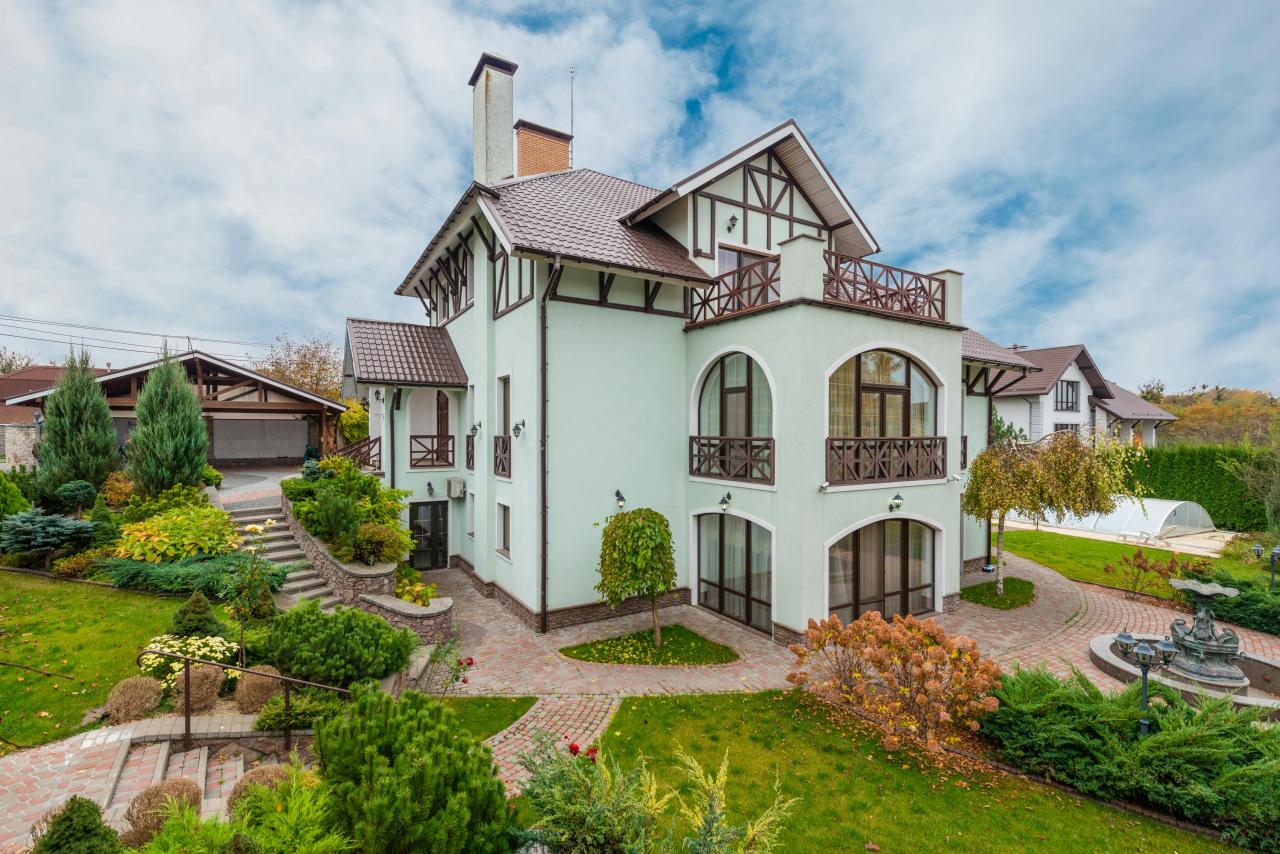
The evolution of the luxury real estate market is now inextricably linked to the Passive House standard. Legacy construction methods are no longer sufficient to protect high-value residential assets.
Passive House engineering provides a superior level of comfort and thermal stability. The airtight envelope and medical-grade filtration ensure a sanctuary of health and purity. Total energetic sovereignty is achievable through the marriage of low demand and renewable generation. Acoustic isolation transforms a home into a silent retreat from the modern world.
Structural longevity is preserved through the surgical elimination of thermal bridges and moisture. The Passive House certification acts as a globally recognized seal of quality and value. Investors benefit from higher resale values and significantly lower operational expenditures. Wellness and biophilic design find their perfect technical partner in the Passive House shell.
Third-party verification provides absolute certainty for the discerning property owner. The future of urban development is defined by high-performance and resilient infrastructure. Strategic capital allocation in Passive House projects is a masterclass in risk mitigation. Luxury is no longer just about aesthetics; it is about the invisible quality of performance. Ultimately, a Passive House is a legacy asset that will remain relevant for generations.