


The global real estate market is currently witnessing a profound structural realignment as the construction industry moves away from the resource-intensive “take-make-waste” model toward a highly sophisticated circular economy framework that prioritizes the reclamation of industrial heritage assets.
This shift is not merely a trend in sustainable architecture but a strategic economic response to the rising costs of raw materials, the tightening of global carbon regulations, and a growing institutional appetite for unique, character-rich commercial spaces that legacy industrial structures provide. By viewing abandoned warehouses, decommissioned factories, and historical infrastructure not as liabilities but as “material banks,” forward-thinking developers are able to unlock immense hidden value while significantly reducing the embodied carbon footprint of new urban developments.
This regenerative approach requires a deep mastery of structural forensic engineering, adaptive reuse methodologies, and the implementation of digital material passports that track the lifecycle of every reclaimed beam, brick, and industrial component.
As metropolitan centers face increasing land scarcity, the ability to breathe new life into existing industrial skeletons offers a definitive competitive advantage, allowing for the creation of high-ceilinged, flexible, and authentic environments that command premium lease rates from creative enterprises and luxury residential buyers alike.
Furthermore, the integration of modern high-performance envelopes and autonomous building systems into these heritage shells creates a unique hybrid of historical narrative and cutting-edge technological utility. We are seeing a new standard in luxury development where the “patina of history” is seamlessly blended with the “precision of the future,” resulting in assets that are both ecologically responsible and commercially dominant.
This transition toward circularity necessitates a fundamental shift in capital allocation, moving away from short-term demolition cycles toward long-term stewardship and the preservation of industrial craftsmanship that is increasingly rare in the modern age.
Ultimately, the goal of reclaiming industrial heritage is to foster a resilient urban fabric where the progress of the next century is built upon the robust foundations of the last, ensuring that no historical resource is ever truly wasted in our pursuit of modern innovation and growth.
The Strategic Framework for Industrial Asset Recovery
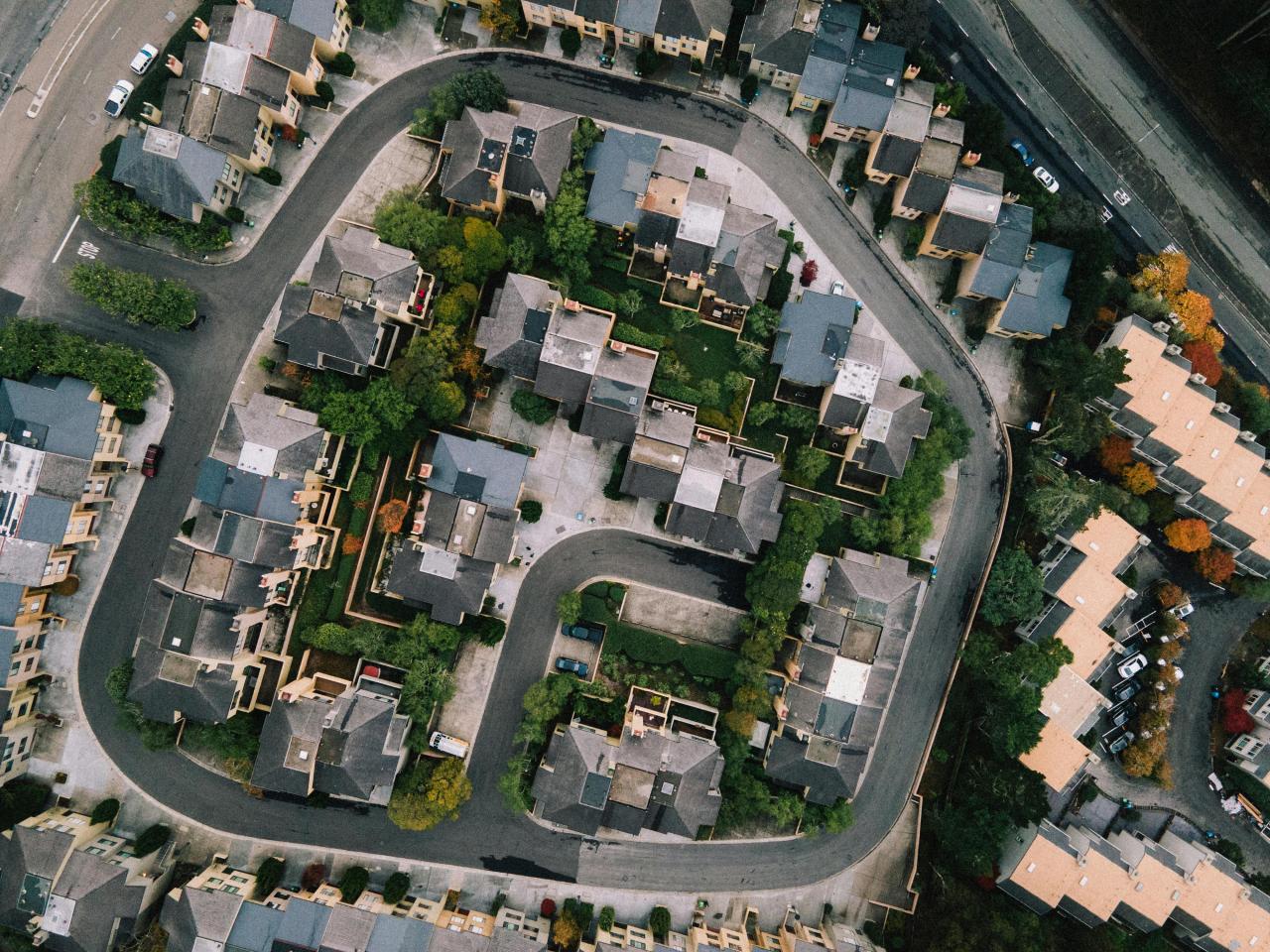
The successful reclamation of an industrial site depends on a rigorous assessment of the existing structural integrity and the potential for material harvesting. This process turns a site of decay into a productive source of high-quality architectural elements.
A. Structural Forensic Auditing and Load Capacity Analysis
B. Digital Twin Mapping of Legacy Mechanical Systems
C. Material Component Categorization and Salvage Planning
D. Hazardous Substance Remediation and Abatement Logic
E. Adaptive Reuse Feasibility and Zoning Optimization
By establishing these pillars early in the project lifecycle, developers can minimize risk and maximize the recovery rate of valuable metals and timber. This infrastructure provides the necessary clarity for investors to commit to complex heritage projects.
Advanced Deconstruction over Traditional Demolition
Circular construction rejects the “wrecking ball” approach in favor of surgical deconstruction, where buildings are carefully taken apart to preserve the quality of their components. This ensures that historical bricks and steel can be reintegrated into the new design without losing their structural properties.
A. Sequential Component Disassembly Protocols
B. On-Site Material Cleaning and Refurbishment Rails
C. Non-Destructive Fastener Removal Technologies
D. Modular Material Palletizing and Secure Storage
E. Traceable Salvage Logging and Chain of Custody
This meticulous process protects the “embodied energy” already present in the materials. It transforms the deconstruction phase from a cost center into a valuable source of premium building materials.
The Role of Digital Material Passports
To manage a circular project effectively, every reclaimed item must be tracked using a digital passport that contains its history, composition, and potential for future use. This data-driven approach allows for a transparent and efficient secondary market for industrial assets.
A. Blockchain-Based Material Provenance Tracking
B. QR Code Identification for Structural Components
C. Real-Time Inventory Management for Salvaged Goods
D. Life Cycle Impact Analysis for Each Reclaimed Unit
E. Integration with Building Information Modeling Hubs
Digital passports ensure that future generations know exactly how to reuse the materials again. This creates a perpetual cycle of value that outlasts the life of any single building.
Adaptive Reuse for High-Performance Workspaces
Industrial buildings are uniquely suited for modern office environments due to their large floor plates, high ceilings, and robust load-bearing capacities. These features allow for the creation of “biophilic” and flexible workspaces that boost employee productivity and well-being.
A. Open-Plan Mezzanine and Vertical Volume Design
B. Exposed Structural Steel and Timber Aesthetics
C. High-Performance Thermal Envelope Retrofitting
D. Natural Daylighting via Industrial Skylight Recovery
E. Integrated Smart Building and IoT Sensor Arrays
Retaining the original industrial character while adding modern comforts creates a “trophy asset” for the organization. These spaces are highly sought after by technology firms and creative agencies looking for an inspiring headquarters.
Reclaiming Industrial Timber and Mass Masonry
Older industrial buildings often contain high-quality “old-growth” timber and hand-pressed bricks that are no longer available in the current market. These materials possess a density and aesthetic warmth that cannot be replicated by modern mass-produced equivalents.
A. Heavy Timber Beam Resurfacing and Structural Grading
B. Historical Brick Mortar Removal and Surface Treatment
C. Reclaimed Hardwood Flooring and Wall Cladding
D. Stone Foundation Block Repurposing Logic
E. Artisanal Metalwork and Fixture Restoration
Using these materials adds a layer of “tactile history” to the project. It provides a unique selling point that justifies premium pricing in the competitive luxury real estate market.
Implementing Circular Mechanical and Electrical Systems
Circularity is not just about the walls and floors; it also involves the clever reuse or recycling of industrial mechanical systems. Many old factory components can be repurposed into functional art or high-end lighting fixtures.
A. Repurposed Industrial Pipework for Decorative Rails
B. Salvaged Factory Lighting and Gear Conversion
C. High-Efficiency HVAC Integration within Legacy Ducts
D. Circular Water Management and Graywater Recycling
E. Integrated Renewable Energy Generation on Factory Roofs
This holistic approach to reuse ensures that every part of the industrial heritage is respected. It creates a cohesive aesthetic that celebrates the building’s original purpose while serving its new function.
The Economic Resilience of Heritage Reclamation
While deconstruction may require more labor upfront, the long-term economic benefits of reclaiming industrial assets are substantial. These projects often benefit from tax incentives, lower material procurement costs, and higher market demand.
A. Significant Reduction in New Material Expenditure
B. Eligibility for Heritage Preservation Tax Credits
C. Higher Lease Premiums for Character-Rich Assets
D. Increased Project Appeal for ESG-Focused Investors
E. Mitigation of Future Carbon Tax and Landfill Penalties
For institutional investors, these assets represent a “future-proof” investment. They are aligned with global sustainability goals and are highly resistant to the commoditization seen in generic new-build projects.
Navigating Legal and Regulatory Compliance
Reclaiming industrial sites requires a deep understanding of local building codes and environmental regulations. Successful developers work closely with authorities to ensure that heritage preservation is balanced with modern safety standards.
A. Historical Landmark Status Negotiation and Management
B. Seismic and Fire Safety Code Compliance Retrofitting
C. ADA and Universal Accessibility Integration Protocols
D. Environmental Remediation and Soil Health Verification
E. Public-Private Partnerships for Urban Regeneration
Navigating these complexities requires a professional team with specialized expertise. When managed correctly, the regulatory process becomes a roadmap for high-quality, safe, and legal asset transformation.
Scaling Circularity in Urban Development
The goal for the future is to scale these circular practices across entire industrial districts. This allows for the creation of “circular neighborhoods” where resources are shared between buildings in a closed-loop system.
A. District-Wide Material Recovery and Sharing Hubs
B. Collaborative Resource Management and Energy Grids
C. Standardized Reuse Guidelines for Urban Districts
D. Integration of Public Green Space in Industrial Shells
E. Promotion of Local Craftsmanship and Repair Economies
Scaling circularity creates a more resilient and sustainable city. It protects the unique cultural identity of urban areas while providing the infrastructure needed for modern economic growth.
The Future of Industrial Heritage and AI Design
We are entering an era where artificial intelligence will assist in the deconstruction and redesign of industrial sites. AI can analyze a building’s skeleton and suggest the most efficient way to repurpose every single beam and brick.
A. AI-Driven Structural Optimization for Reuse
B. Robotic Deconstruction and Material Sorting
C. Predictive Maintenance for Heritage Building Envelopes
D. Generative Design for Adaptive Reuse Layouts
E. Automated Compliance and Permitting Verification
This technology will make circular construction faster, cheaper, and more precise. It will unlock the potential of thousands of abandoned industrial sites that were previously considered too complex to reclaim.
Social and Cultural Impact of Industrial Preservation
Reclaiming industrial heritage is also a social mission that preserves the history of the local workforce and the identity of the neighborhood. It prevents the “gentrification via demolition” that often erases the character of urban communities.
A. Community Engagement and Storytelling Platforms
B. Preservation of Industrial Craft and Labor History
C. Creation of Local Employment in Deconstruction
D. Transformation of Factory Sites into Cultural Hubs
E. Educational Initiatives for Circular Building Skills
A project that respects its history is more likely to be embraced by the local community. It creates a sense of pride and continuity that adds intangible value to the real estate asset.
Conclusion

The transition toward circular construction is a definitive marker of progress in the modern architectural era. Legacy industrial assets are no longer seen as burdens but as critical reserves of high-quality materials. Strategic reclamation allows developers to build with history while meeting the strictest modern standards. Surgical deconstruction preserves the structural and aesthetic integrity of valuable heritage components. Digital material passports ensure that transparency and value are maintained throughout the asset’s life.
Adaptive reuse creates high-performance environments that command premium market rates. Reclaimed timber and masonry offer a level of quality and character that modern materials cannot match. The economic benefits of circularity include lower material costs and enhanced investor appeal. Navigating the regulatory landscape with expertise is essential for successful project delivery.
Scaling these practices will lead to more resilient and culturally vibrant urban neighborhoods. Technology and AI will play a central role in making industrial reclamation more efficient. Preserving the history of our buildings is a vital act of social and environmental stewardship. Building the future on the foundations of the past is the most sustainable way forward. Ultimately, the goal of circularity is to ensure that no part of our industrial heritage is ever lost.