


The global architectural landscape is currently undergoing a profound paradigm shift as the construction industry moves beyond the rudimentary goals of carbon neutrality toward a more ambitious and restorative philosophy known as carbon positive design. For decades, the primary objective of sustainable development was the pursuit of net-zero energy, a defensive stance that aimed merely to mitigate the damage caused by human habitation through improved insulation and localized renewable energy generation.
However, the escalating climate crisis and the rapid depletion of natural resources have demonstrated that “doing less harm” is no longer an adequate response if we are to achieve true long-term ecological resilience. Carbon positive design—also frequently referred to as climate-positive or regenerative architecture—represents an offensive strategy where buildings are engineered to function as active environmental assets that actually sequester more carbon than they emit throughout their entire lifecycle.
This sophisticated approach necessitates a fundamental rethink of the relationship between the built environment and the biosphere, treating a structure not as a passive consumer of resources, but as a living organism capable of purifying the air, filtering water, and contributing surplus energy back to the community grid.
By prioritizing the use of advanced bio-based materials, carbon-sequestering concrete, and high-performance mass timber, architects are now able to lock atmospheric carbon into the very fabric of our cities for centuries. Furthermore, the integration of circular economy principles ensures that every component of a building is designed for disassembly and reuse, effectively eliminating the concept of construction waste.
We are witnessing the birth of a new institutional standard where the value of a real estate asset is increasingly measured by its regenerative capacity and its ability to provide tangible ecosystem services to its surroundings. This transition requires a deep mastery of life cycle assessment (LCA) methodologies, cradle-to-cradle material selection, and the deployment of autonomous systems that optimize resource consumption in real-time.
As global capital flows increasingly favor ESG-compliant investments, the development of carbon positive infrastructure has emerged as the definitive frontier for multinational corporations and visionary developers. Ultimately, the goal of designing beyond net zero is to foster a future where human progress and planetary health are no longer in conflict, but are instead two sides of the same restorative coin.
Core Pillars of Regenerative Building Systems

Transitioning from a neutral impact to a positive one requires a structural commitment to advanced material science and energetic efficiency. Modern regenerative buildings utilize a multi-layered defense against atmospheric carbon while simultaneously producing vital resources.
A. Carbon Sequestering Bio-Based Material Stacks
B. High Yield Building Integrated Photovoltaic Rails
C. Circular Economy Deconstruction and Reuse Logic
D. Advanced Atmospheric Carbon Capture Interfaces
E. Closed Loop Hydraulic and Waste Recovery Systems
By utilizing these core pillars, a project can move from being a carbon liability to a carbon sink. This infrastructure ensures that the building adds measurable value to the local environment every day of its operational life.
Implementing Mass Timber and Structural Biomaterials
The choice of structural materials is the most critical factor in determining the embodied carbon footprint of a project. Mass timber, such as cross-laminated timber (CLT), is leading the way as a renewable alternative to traditional steel and high-emission concrete.
A. Sustainably Sourced Cross Laminated Timber Frameworks
B. Mycelium and Algae Based Insulation Modules
C. Bamboo and Hemp Fiber Reinforced Composites
D. Regenerative Soil and Compressed Earth Blocks
E. Carbon Infused Low Emission Concrete Slurries
Mass timber acts as a physical carbon vault, storing the carbon absorbed by trees during their growth phase. Using these materials allows for a rapid construction timeline while significantly lowering the project’s initial environmental debt.
Energetic Surplus and Smart Grid Integration
A carbon positive building must generate more energy than it consumes, often through the use of high-efficiency solar, wind, and geothermal systems. This surplus energy can then be shared with neighboring structures, turning the building into a localized power plant.
A. Transparent Solar Glazing and Facade Systems
B. Vertical Axis Micro Wind Turbine Arrays
C. Ground Source Geothermal Heat Exchange Rails
D. Decentralized Kinetic Energy Recovery Modules
E. Intelligent Battery Storage and Load Balancing
Generating a surplus of clean energy is the primary mechanism for offsetting the carbon emitted during the manufacturing of building components. This energetic independence also provides the building with extreme resilience against global energy market fluctuations.
The Role of Biophilic Design and Urban Forestry
Integrating living systems directly into the architecture allows for natural air purification and temperature regulation. Vertical forests and living walls do more than provide aesthetic value; they function as active carbon sequestration machines.
A. Vertical Forest and Living Facade Integration
B. Hydroponic and Aeroponic Food Production Zones
C. Native Biodiversity and Pollinator Habitat Corridors
D. Evapotranspirative Cooling and Microclimate Control
E. Phytoremediation Water Filtration and Reuse Systems
By bringing the biosphere into the city, we can reduce the urban heat island effect and improve the mental well-being of the occupants. These living systems create a cooling effect that reduces the need for mechanical air conditioning.
Life Cycle Assessment and Carbon Accounting
To claim a carbon positive status, a building must undergo a rigorous life cycle assessment that accounts for every kilogram of carbon from extraction to demolition. This requires the use of sophisticated digital twins and real-time monitoring.
A. Comprehensive Cradle to Grave Carbon Auditing
B. Real Time Embodied Carbon Tracking Software
C. Predictive Maintenance and Component Longevity Logic
D. End of Life Disassembly and Recovery Manuals
E. Transparent ESG Reporting and Certification Rails
Accurate accounting ensures that the building’s environmental claims are verifiable and scientifically sound. This transparency is vital for attracting premium institutional investors and meeting global regulatory requirements.
Water Sovereignty and Nutrient Recovery
A regenerative building should also aim for water neutrality or positivity by harvesting every drop of rain and recycling all gray and black water. Advanced filtration systems can turn waste into valuable nutrients for the building’s internal gardens.
A. Atmospheric Water Generation and Harvesting
B. Multi Stage Biological Gray Water Filtration
C. Black Water Anaerobic Digestion and Biogas
D. Smart Irrigation and Moisture Sensing Networks
E. Nutrient Recovery for On Site Urban Farming
Managing water as a circular resource reduces the strain on aging municipal infrastructure. It also ensures that the building remains functional during periods of extreme drought or water scarcity.
Passive Design and Thermal Mass Optimization
Before adding renewable energy systems, a building must first be designed to minimize its baseline energy demand. Passive design principles utilize the orientation of the building and the thermal properties of its materials to maintain comfort.
A. Solar Orientation and Natural Daylighting Optimization
B. Cross Ventilation and Thermal Chimney Workflows
C. High Performance Triple Glazed Thermal Envelopes
D. Phase Change Material Integration for Heat Storage
E. Night Purge and Diurnal Cooling Strategies
Reducing the energy load makes it much easier for the building to achieve a positive energy balance. A well-designed passive envelope can reduce mechanical heating and cooling needs by over 80%.
Circular Economy and Modular Deconstruction
Traditional buildings are often demolished and sent to a landfill, but regenerative buildings are designed to be “material banks.” Every component is tagged and tracked so it can be easily recovered and reused in a new project.
A. Standardized Modular Component Design
B. Reversible Mechanical Connection Protocols
C. Digital Material Passports and Inventory Logs
D. Zero Waste Construction and Fabrication Logic
E. Post Consumer Material Content Integration
This approach treats the building as a temporary storage facility for valuable materials. It effectively decouples construction from resource extraction, creating a more sustainable and resilient industry.
Enhancing Occupant Wellness and Cognitive Clarity
A carbon positive environment is inherently a healthier one for the people who live and work within it. High air quality, natural materials, and connection to nature have been proven to increase productivity and reduce stress.
A. Low VOC and Non Toxic Material Selection
B. Natural Soundscape and Acoustic Comfort Design
C. Circadian Rhythm Lighting and Color Logic
D. Interior Air Quality Sensing and Filtration
E. Ergonomic and Biophilic Workspace Planning
When the building supports the health of its occupants, it creates a virtuous cycle of productivity and well-being. This human-centric approach is a core requirement for any premium commercial development.
The Economic Benefit of Regenerative Assets
While the initial cost of carbon positive design can be higher, the long-term economic benefits are substantial. These buildings have lower operational costs, higher occupancy rates, and a significantly higher resale value.
A. Operational Expense Reduction through Efficiency
B. Premium Lease Rates for ESG Compliant Spaces
C. Long Term Asset Resale Value Preservation
D. Access to Green Finance and Tax Incentives
E. Reduction in Carbon Tax and Regulatory Penalties
For institutional investors, carbon positive buildings represent a “future-proof” asset class. They are better prepared to navigate the changing landscape of global climate regulations and consumer preferences.
Future Trends in Atmospheric Sequestration
We are entering a phase where buildings will incorporate active carbon capture technology that pulls CO2 directly from the sky. These systems can then turn the captured carbon into useful products like synthetic fuels or building blocks.
A. Direct Air Capture and Storage Integration
B. Carbon Negative Concrete and Masonry Research
C. Bio-Char and Soil Sequestration Protocols
D. Advanced Polymer Carbon Capture Facades
E. Industrial Symbiosis and Heat Recovery Networks
The future of architecture is not just carbon neutral; it is actively curative. The buildings of the next century will act as global filters, cleaning up the legacy emissions of the past century.
Strategic Leadership in Sustainable Urbanism
Achieving a carbon positive future requires bold leadership from developers, architects, and government officials. It involves a willingness to invest in innovation and a commitment to long-term planetary stewardship.
A. Collaborative Integrated Project Delivery Models
B. Public Private Partnerships for Green Growth
C. Performance Based Building Code Advocacy
D. Open Source Sharing of Regenerative Data
E. Institutional Commitment to Net Positive Goals
The organizations that lead this transition will be the ones that define the market for the next fifty years. They will be the architects of a new world where humanity thrives in harmony with the natural world.
Conclusion
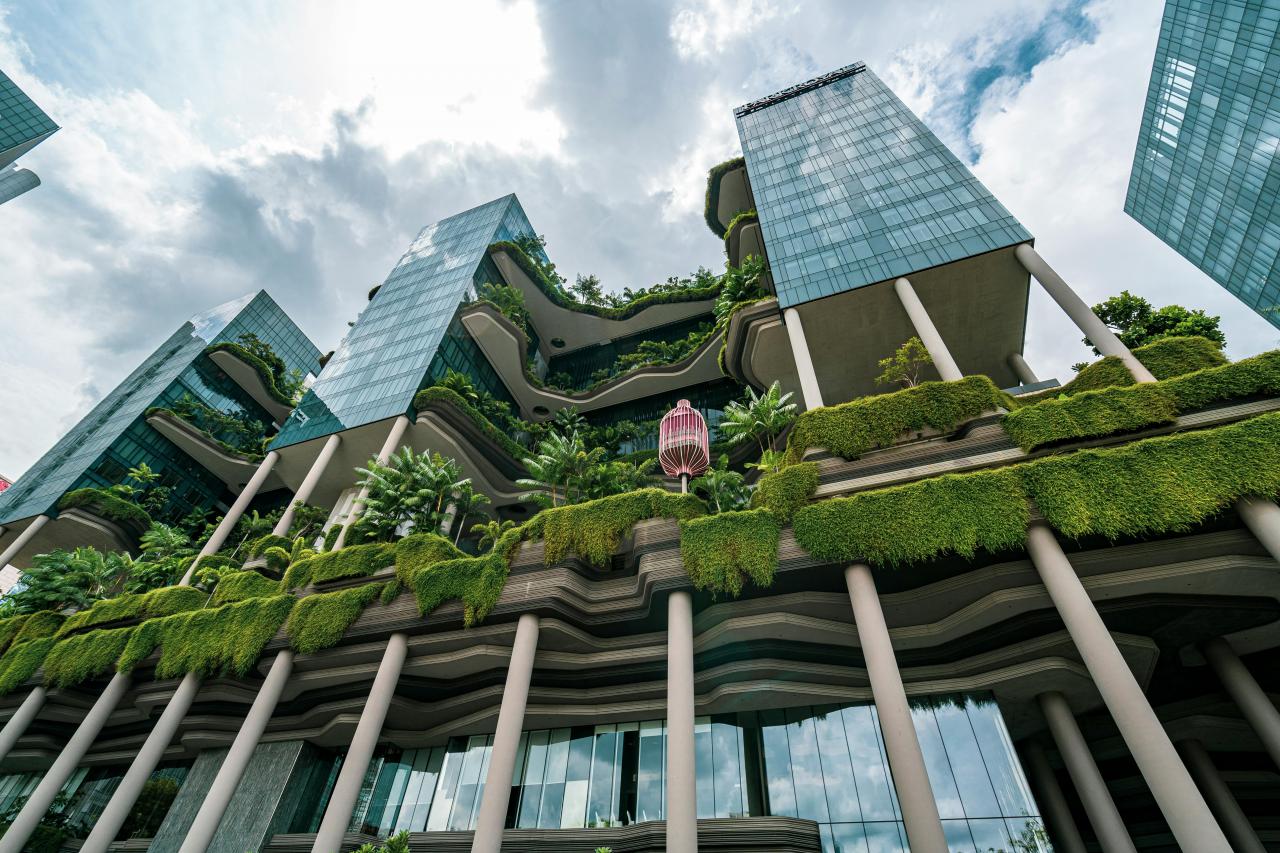
The journey toward carbon positive architecture is the most important mission of the modern era. Legacy sustainability models are no longer sufficient to address the scale of the climate crisis. Designing beyond net zero requires a fundamental shift from defensive to restorative strategies. Mass timber and bio-based materials allow us to turn our cities into massive carbon sinks. Energetic independence is achieved through a combination of passive design and renewable generation.
Circular economy principles ensure that no resource is ever wasted in the construction cycle. Water sovereignty and nutrient recovery reduce the environmental footprint of daily habitation. Occupant wellness is a natural byproduct of a healthy and regenerative built environment. Regenerative assets offer superior long-term financial returns and risk mitigation for investors.
Active carbon capture technology represents the next frontier in curative architectural design. Leadership and collaboration are essential for scaling these solutions across global cities. The transition to a carbon positive world is an economic and ecological necessity. Ultimately, every building we construct should leave the world better than we found it. Mastering regenerative design is the definitive hallmark of a world-class professional.