

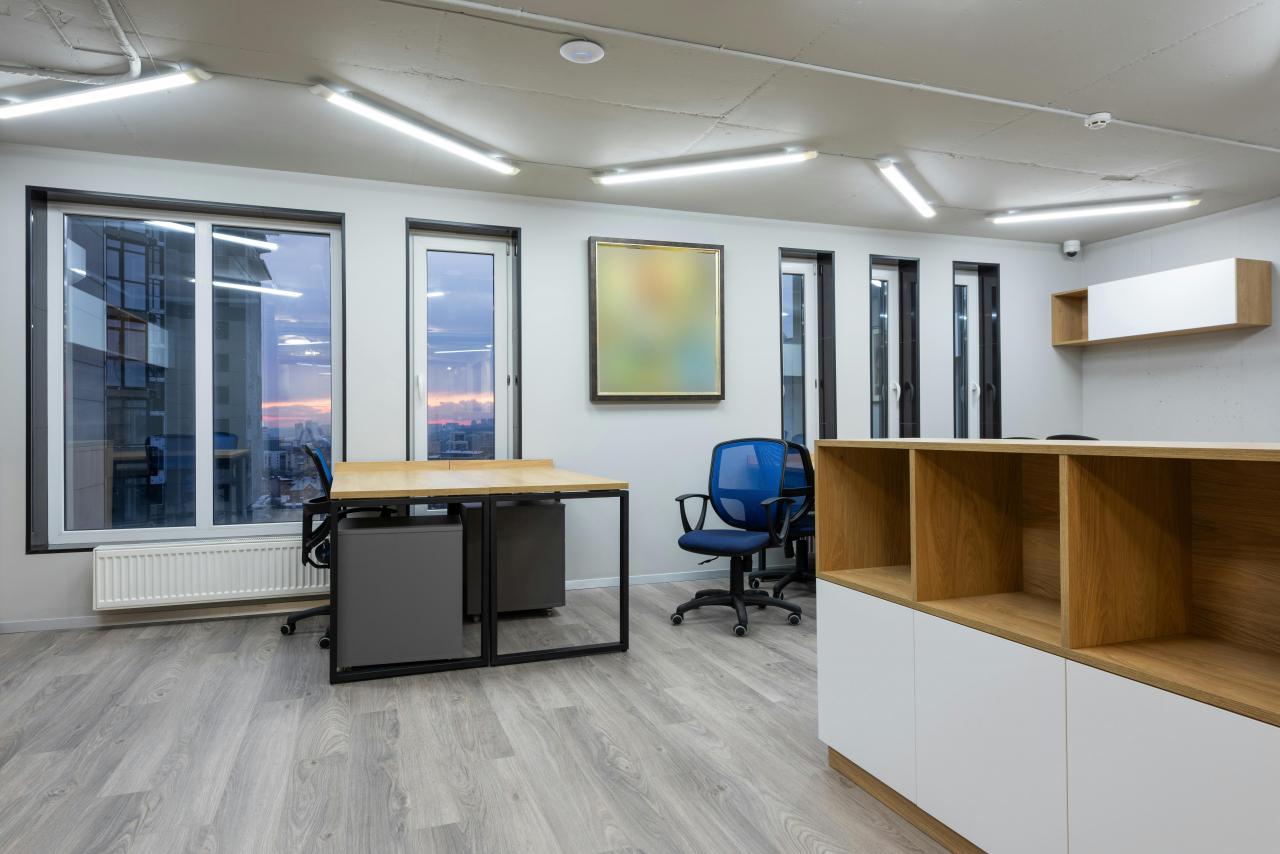
The rapid integration of sophisticated biological lighting protocols within high-end residential and commercial architecture has fundamentally redefined the standard for modern environmental design, moving far beyond the primitive necessity of simple illumination toward a holistic orchestration of human physiological wellness and cognitive vitality. This evolution is driven by a deep scientific understanding of the “master clock” located within the suprachiasmatic nucleus of the human brain, which relies on specific spectral cues from the natural solar cycle to regulate critical hormonal releases, including the strategic suppression of melatonin during the day and its timely production at night.
As global urban environments become increasingly characterized by “indoor-centric” lifestyles, the lack of exposure to natural sunlight has led to a widespread disruption of circadian rhythms, resulting in chronic fatigue, diminished metabolic efficiency, and a significant decline in long-term mental health. Modern circadian lighting systems seek to bridge this gap by utilizing advanced light-emitting diode (LED) technologies that can dynamically adjust color temperature and spectral power distribution in real-time, effectively mimicking the rising and setting of the sun within an enclosed interior space.
For the discerning property owner and institutional real estate investor, the implementation of these “bio-adaptive” frameworks is no longer merely a luxury amenity but a critical strategic investment in human capital and asset valuation, as spaces that support biological harmony command significantly higher market premiums and enjoy greater long-term desirability. We are witnessing the birth of a new standard in premium development where the “luminous quotient” of a property—its ability to proactively manage the biological health of its occupants through light—is considered just as vital as its structural integrity or technological infrastructure.
This transition requires a profound mastery of melanopic lux measurements, blue-light hazard mitigation, and high-capacity digital control protocols to ensure that the sanctuary of the home or the productivity of the office remains perfectly aligned with the billion-year-old rhythms of the natural world. Ultimately, the successful deployment of circadian-aligned infrastructure promises a future where our built environments act as proactive partners in our health, providing a foundation for superior physical recovery, enhanced focus, and a more vibrant, high-performance existence regardless of the geography or time zone.
The Structural Framework of Bio-Adaptive Illumination
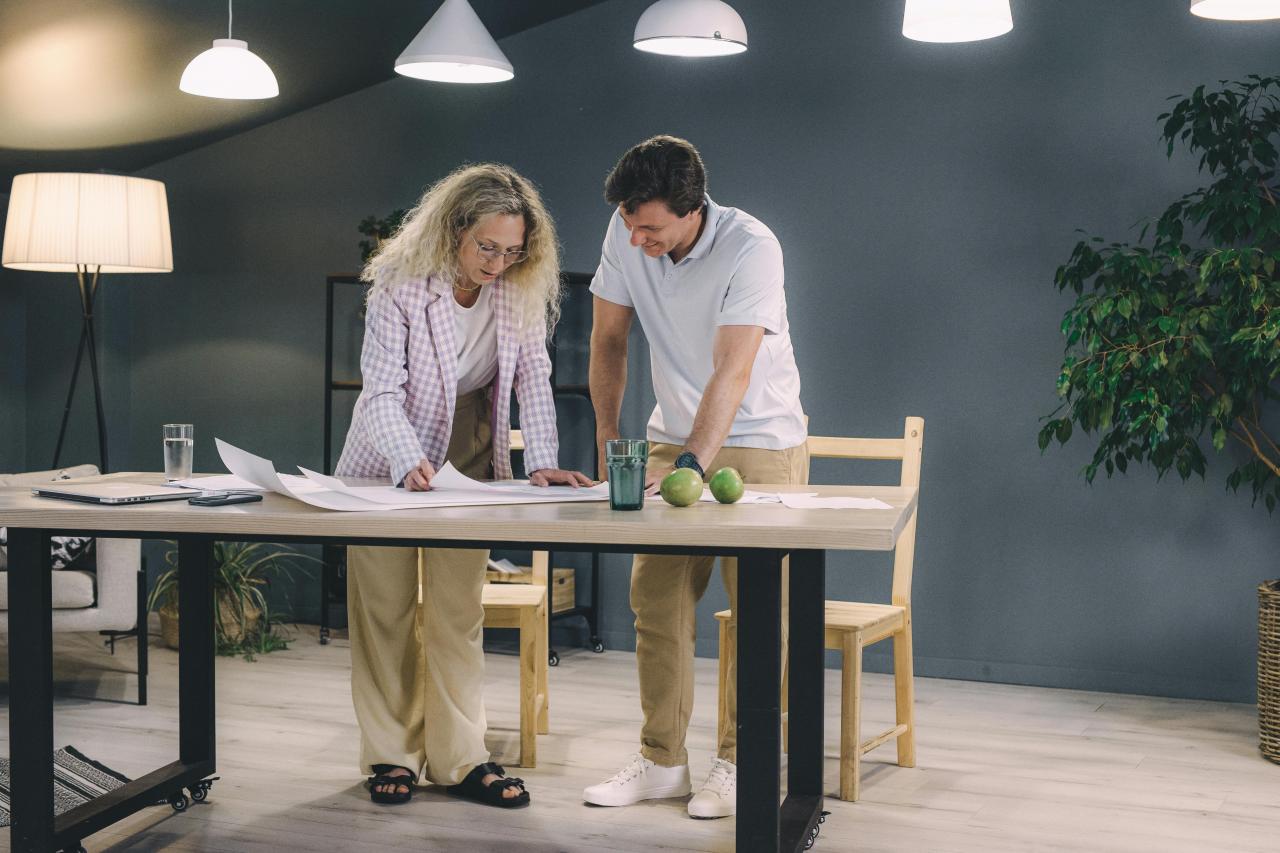
Establishing a high-performance circadian environment requires a structural commitment to precision light engines and decentralized control logic. This involves a multi-layered approach that considers the intensity, timing, and spectral composition of every light source within the habitat.
A. Tuneable White LED Engine Architecture
B. Spectral Power Distribution Monitoring Rails
C. Integrated Natural Light Harvesting Frameworks
D. Automated Solar Tracking and CCT Logic
E. High CRI and Melanopic Flux Calibration
By utilizing these core pillars, architects can ensure that the interior environment stays in sync with the external world. This infrastructure provides the necessary baseline for total biological alignment and long-term wellness.
Melanopic Sensitivity and Hormonal Regulation Logic
The primary objective of circadian lighting is to trigger the non-visual photoreceptors in the eye, known as intrinsically photosensitive retinal ganglion cells (ipRGCs). These cells are most sensitive to the blue-wavelength spectrum, which serves as the primary signal to the brain that it is time to be alert and productive.
A. Strategic Blue-Light Saturation for Morning Focus
B. Warm-Amber Spectral Shifts for Melatonin Support
C. Dynamic Flicker-Free Dimming and Driver Logic
D. Personalized Light Dosage and Exposure Logs
E. Atmospheric Diffusion and Glare Mitigation Rails
Providing the correct “biological dose” of light at the right time ensures that the body’s internal clock remains stable. This results in better sleep quality, improved mood regulation, and a more resilient immune system.
Enhancing Cognitive Clarity in Professional Environments
In high-stress corporate and home office settings, the quality of light directly impacts executive function and error rates. Circadian systems can be programmed to provide “boost” periods of high-intensity cool light during critical work hours to maximize cognitive output.
A. High-Activity Focused Task Lighting Nodes
B. Ambient Diffuse Glow for Stress Reduction
C. Automated Scene Transitions for Meeting Logic
D. Personalized Workspace Illumination Profiles
E. Integrated Biometric Feedback and Response Rails
By reducing the reliance on static, harsh overhead lighting, organizations can create a more inclusive and supportive environment. This strategic use of light is a proven driver of productivity and employee retention in the global professional landscape.
The Role of Natural Light Harvest and Smart Shading
A truly intelligent circadian system does not work in isolation but instead prioritizes the use of natural sunlight whenever possible. Automated shading and light-tracking mirrors ensure that natural light is deep-mined into the core of the building without causing thermal discomfort or glare.
A. Automated Solar Tracking and Louver Control
B. High-Performance Electrochromic Glazing Integration
C. Light Shelf and Reflective Interior Geometries
D. Internal Daylight Sensing and Dimming Loops
E. Seasonal Altitude and Azimuth Adaptation Logic
This harmony between artificial and natural sources maximizes energy efficiency while maintaining the strongest possible biological signal. It creates a seamless transition between the interior sanctuary and the external environment.
Residential Recovery and Sleep Quality Optimization
The evening phase of the circadian cycle is perhaps the most critical for long-term health, requiring a complete removal of short-wavelength blue light. Premium residential systems utilize “sunset” protocols that gradually shift the entire home into a warm, low-intensity glow to prepare the brain for deep recovery.
A. Automated Evening Melatonin Priming Sequences
B. Soft-Orientation Night Path Illumination
C. Blackout Shading and Total Dark Integration
D. Circadian-Aligned Bathroom and Vanity Rails
E. Bedroom Sanctuary Low-Blue Light Standards
Optimizing the home for sleep is one of the most effective ways to improve overall life quality. Residents wake up feeling more refreshed and energized, as their bodies have been allowed to complete their natural restorative cycles without interruption.
Data Sovereignty and Personalized Light Profiles
As lighting becomes more integrated with biometric data, the protection of personal information becomes a primary concern. High-tier systems process user data locally to ensure that individual sleep patterns and health metrics remain completely private.
A. Localized Secure Edge Computing Hubs
B. Encrypted User Preference and Health Logs
C. Anonymous Aggregated Usage and Energy Metrics
D. Hardware-Level Privacy and Air-Gapped Modes
E. Verified Third-Party Cybersecurity Integrity Audits
Maintaining data sovereignty ensures that the technology remains a trusted partner in the resident’s life. It is the definitive standard for institutional-grade residential wellness infrastructure.
Scaling Circadian Systems for Institutional Asset Value
For real estate developers, outfitting projects with certified circadian lighting is a powerful way to increase asset equity and attract premium tenants. Wellness certifications now include rigorous standards for light quality, making these systems a prerequisite for world-class developments.
A. Alignment with Global Wellness Building Standards
B. Significant Increases in Property Resale Equity
C. Market Differentiation for High-End Rentals
D. Lower Long-Term Operational and Energy Costs
E. Enhanced Institutional ESG Portfolio Performance
Investing in biological infrastructure is a clear signal of quality and long-term thinking. It positions the asset at the forefront of the “wellness real estate” movement, which is currently seeing record capital inflows.
Overcoming Digital Fatigue and Blue Light Hazard
Our modern reliance on screens has led to an overexposure to artificial blue light, even during evening hours. Circadian lighting systems can act as a counterbalance, providing restorative wavelengths that help the eyes and brain recover from “digital strain.”
A. Retinal Protection and Blue-Light Filter Logic
B. Low-Stimulus Restorative Lighting Scenes
C. Visual Comfort and Flicker-Free Certification
D. Contrast Optimization for Digital Device Use
E. Ambient Backlighting for Reduced Eye Fatigue
By managing the visual environment, we can mitigate the negative side effects of our high-tech lifestyles. This focus on “visual hygiene” is essential for maintaining cognitive clarity and ocular health in the digital age.
The Future of Bio-Integrated Lighting Intelligence
We are moving toward a future where lighting will be fully integrated with wearable health technology and AI-driven predictive models. Imagine a home that adjusts its light spectrum based on your actual stress levels or your previous night’s sleep data.
A. Wearable-to-Building Communication Protocols
B. AI-Driven Adaptive Spectral Tuning Algorithms
C. Bio-Feedback Loop and Stress Response Logic
D. Predictive Sleep and Energy Optimization Rails
E. Emerging Nano-LED and Quantum Dot Integration
Staying ahead of these trends is vital for anyone building a future-proof residence today. The integration of biology and technology is the definitive frontier of architectural innovation.
Strategic Investment in Human-Centric Infrastructure
When evaluating the cost of premium circadian systems, it is vital to consider the “human ROI” in terms of improved health, productivity, and happiness. High-performance lighting is an investment in the most valuable asset of any property: the people who inhabit it.
A. Quantifiable Increases in Cognitive Focused Output
B. Long-Term Healthcare Cost Reduction via Wellness
C. Superior Quality of Life and Emotional Balance
D. Enhanced Intellectual and Creative Performance
E. Resilience against Environmental and Seasonal Stress
A home that supports your biology is a home that supports your success. In an increasingly competitive world, biological alignment is the ultimate competitive advantage.
Conclusion
The evolution toward circadian-aligned architecture represents a fundamental shift in how we perceive the built environment. Legacy lighting models are no longer sufficient to support the complex biological needs of modern humans. Investing in bio-adaptive infrastructure is a strategic move for long-term asset value and resilience. Melanopic lux and spectral precision are the new metrics for high-performance interior design. Natural light harvesting ensures that our indoor spaces remain connected to the external solar cycle. Residential sleep optimization is a primary driver of long-term mental and physical health.
Professional environments benefit from increased focus and productivity through targeted spectral tuning. Data sovereignty ensures that personalized health and lighting data remain private and secure. Institutional asset value is significantly enhanced by adhering to global wellness building standards. Mitigating digital fatigue is essential for maintaining cognitive clarity in a screen-heavy world. The future of lighting lies in the seamless integration of AI, wearables, and biology.
Strategic investment in human-centric light is an investment in superior human performance. Biological harmony is the ultimate luxury in a world defined by artificial and static environments. Choosing high-quality, certified systems ensures a reliable and premium restorative experience. Ultimately, the goal of circadian lighting is to foster a life of energy, focus, and deep recovery. Building for biology is the only way to ensure our homes truly nurture the human spirit.